

A mechanical cardholder suits a stable stack of frequently used cards and puts fast card selection ahead of paper storage. A traditional bifold suits people who carry more bills, receipts, several card groups, or documents that need wider compartments. The better structure follows the contents.
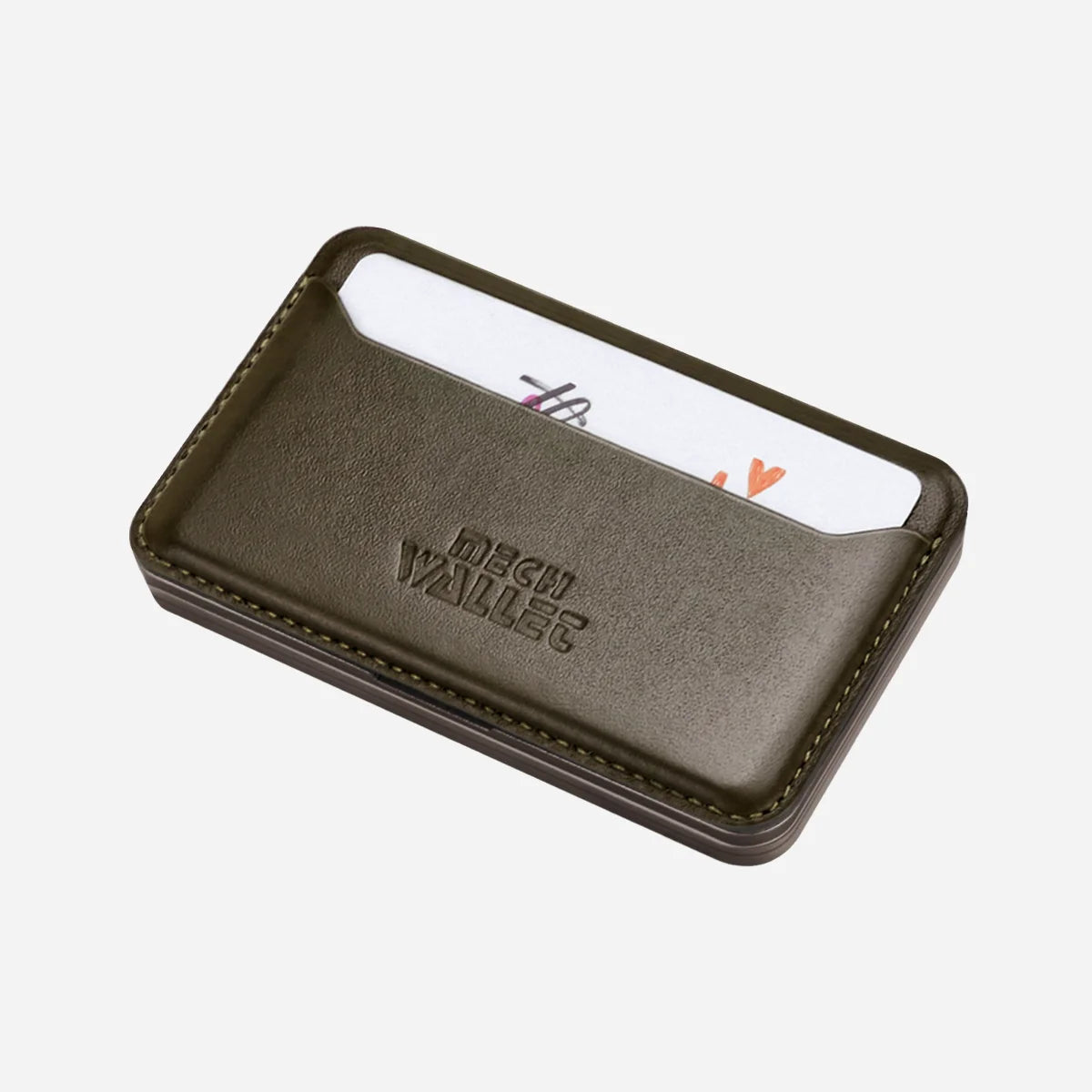
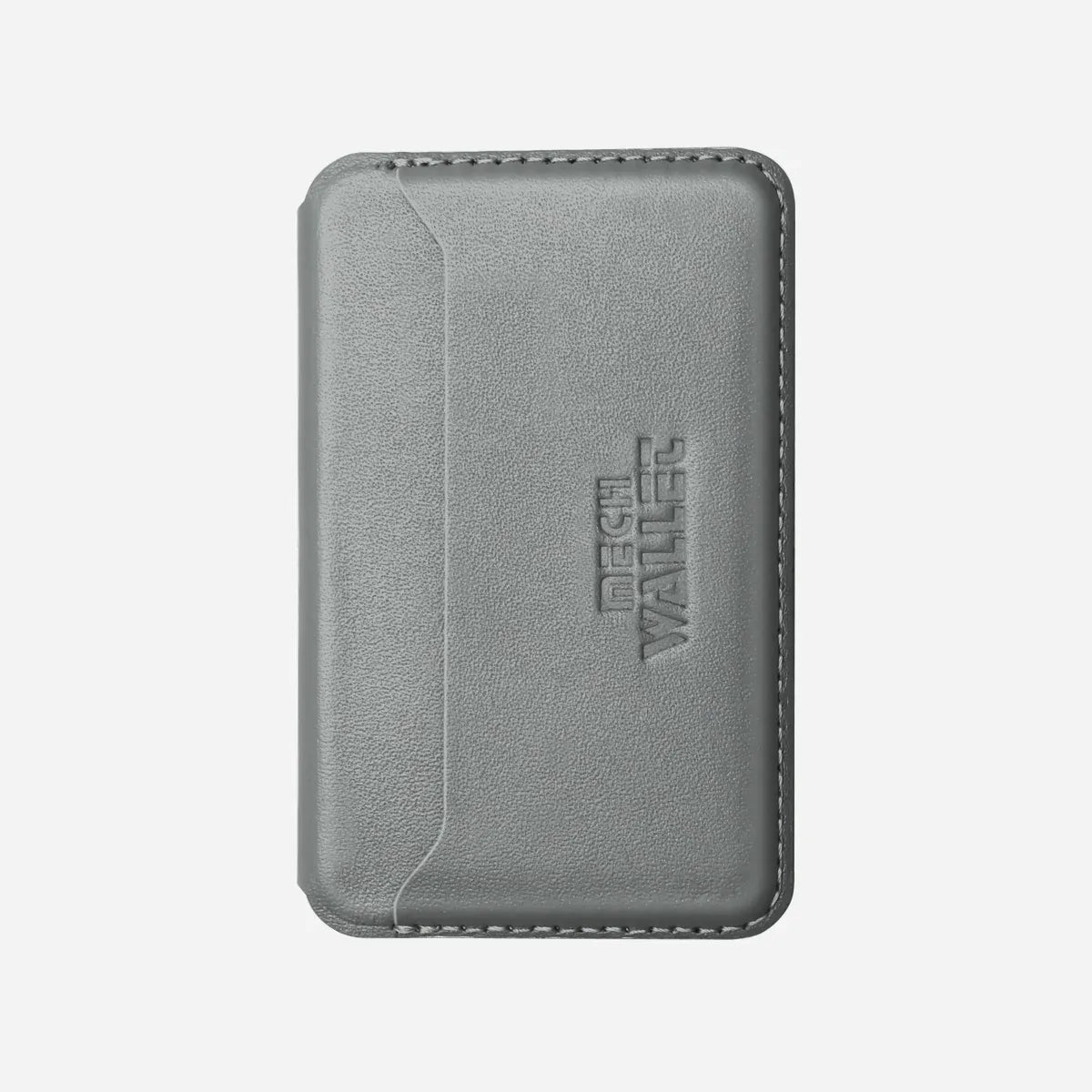
PunCube offers a third option. Its Bifold combines the Mech Wallet's rigid card chamber with a calf-leather section for cash, coins, extra cards, and one external quick-access slot. The complete wallet remains a compact 98 by 60 by 12 millimeter configuration. It does not become a full-length leather billfold, so people who keep unfolded notes or a growing receipt stack may still prefer a traditional bifold.
The first difference appears when you reach for a card
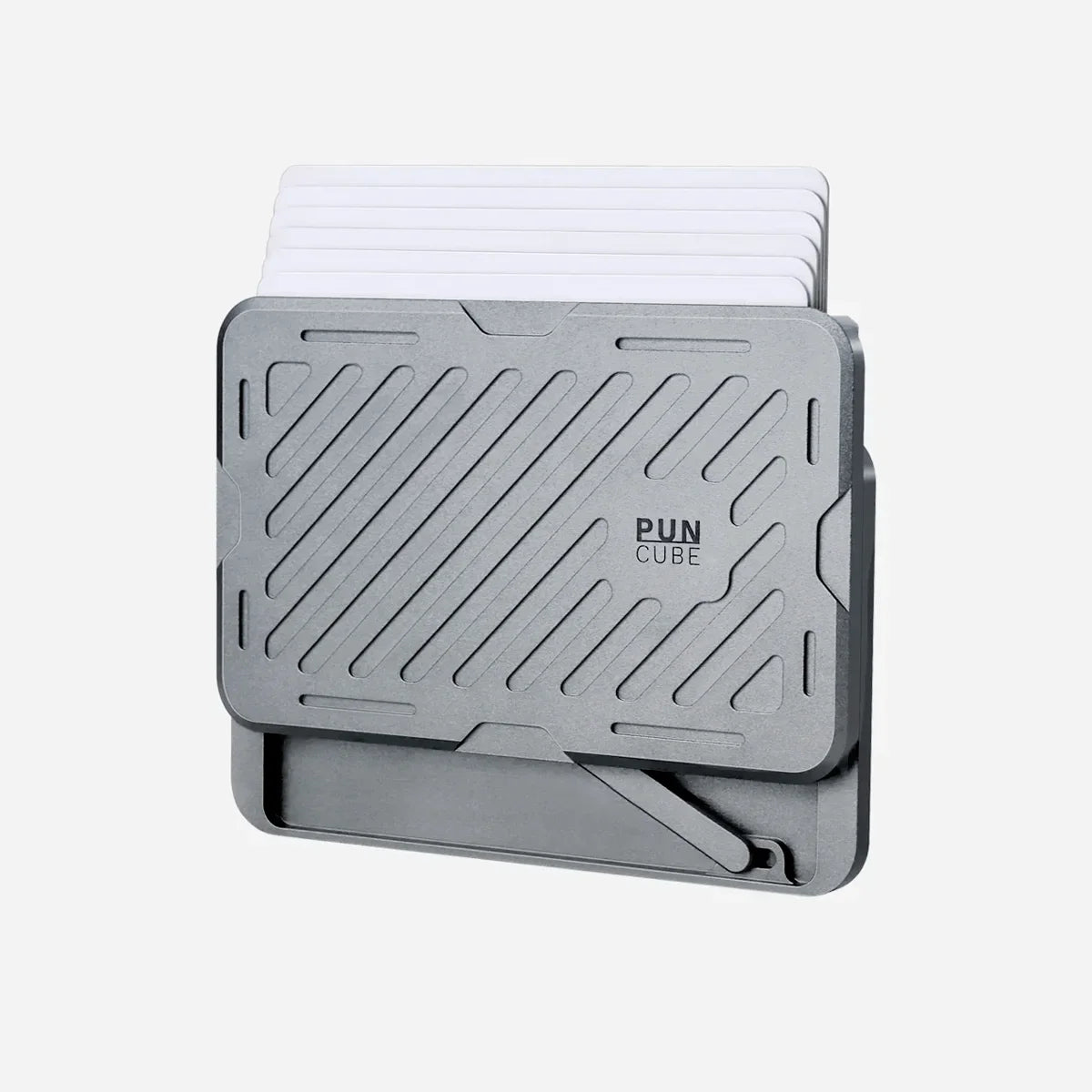
The PunCube Mech Wallet holds its main cards in one metal chamber. Moving the side drive raises the stack into a staggered fan, allowing the user to see several card edges and select one. The published chamber limit is six flat cards or five embossed cards.
A traditional bifold spreads cards across stitched or folded slots. The user opens the wallet, moves to the relevant side, and pulls the card from its slot. That layout can separate payment cards, identification, transit cards, and membership cards. It also asks the owner to remember where each group lives.
Neither action is universally faster. A stable five-card stack works naturally in a mechanical fan because every card appears in one movement. A larger collection can be easier to understand when it is divided across several labeled positions, especially if only part of the wallet is used on a given day.
Try the action that matters. Load the cards, reach for the main payment card, return it, and repeat with the least-used card. The number of motions and the need to look down tell more than an empty product video.
Card visibility follows the structure
The mechanical cardholder presents cards as one ordered stack. Frequent cards should occupy predictable positions in the fan. Moving one card to a new position changes the order behind it, so the system works well when the stack remains fairly stable.
A traditional bifold reveals card faces or slot edges after it opens. Several cards may be visible at once, and separate compartments can preserve categories even when the total changes. Overlapping slots can hide labels, while a crowded pocket may make the inner card harder to pinch.
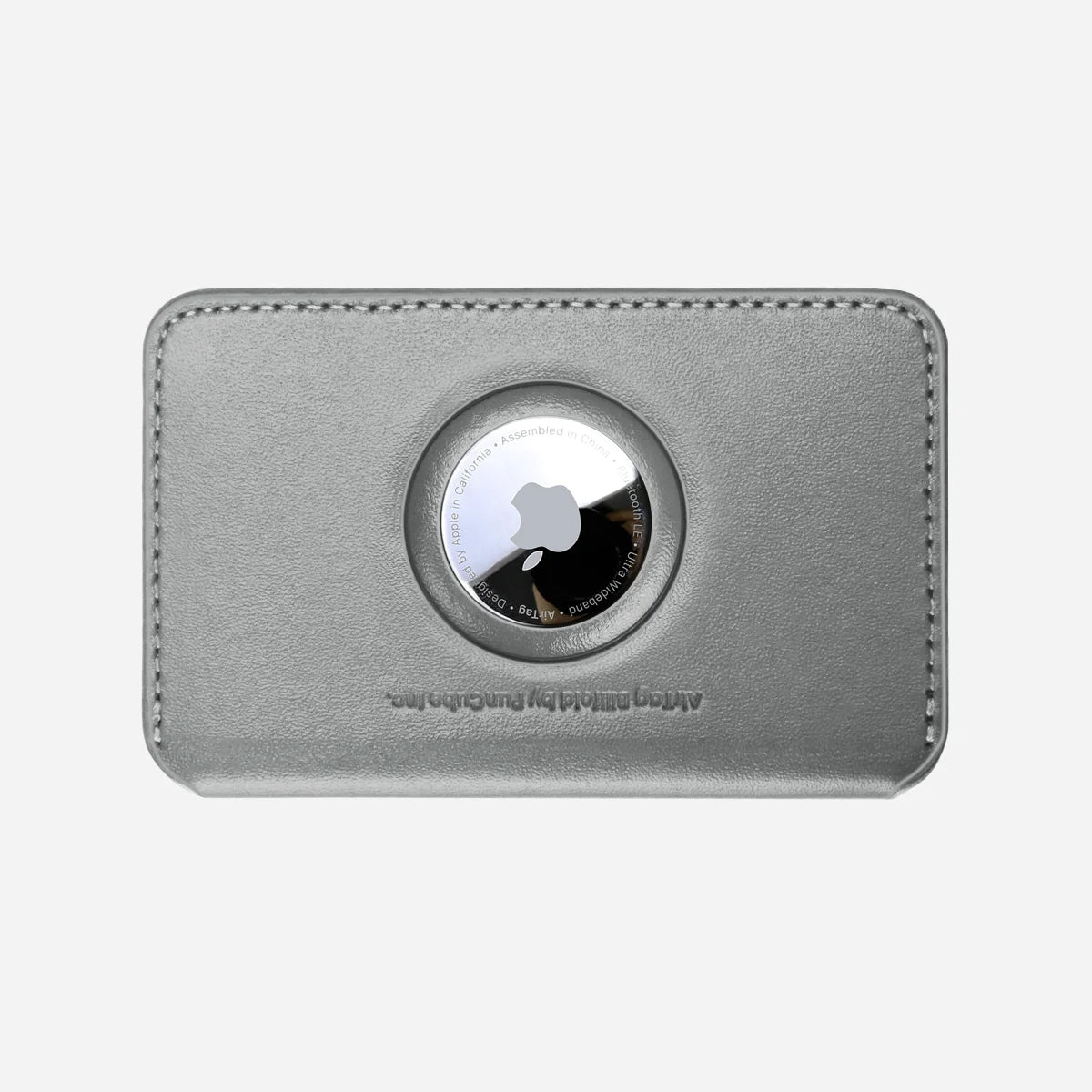
PunCube Bifold keeps both approaches in a smaller hybrid. The main cards stay in the mechanical chamber. Additional cards use the leather storage, and the external slot can hold a credential that needs frequent access. The complete configuration is rated for up to nine cards in total. The main chamber keeps its six-flat or five-embossed-card limit.
That split helps someone carrying seven to nine cards who still wants a mechanical fan for the cards used most. A person carrying ten or more changing cards may get clearer organization from a larger multi-slot bifold.
Cash gives the traditional bifold its clearest advantage
Many traditional bifolds open across a bill compartment. Notes can sit flat or fold once with the wallet, depending on currency and design. The same wider body may also accept receipts that would extend beyond a compact metal cardholder.
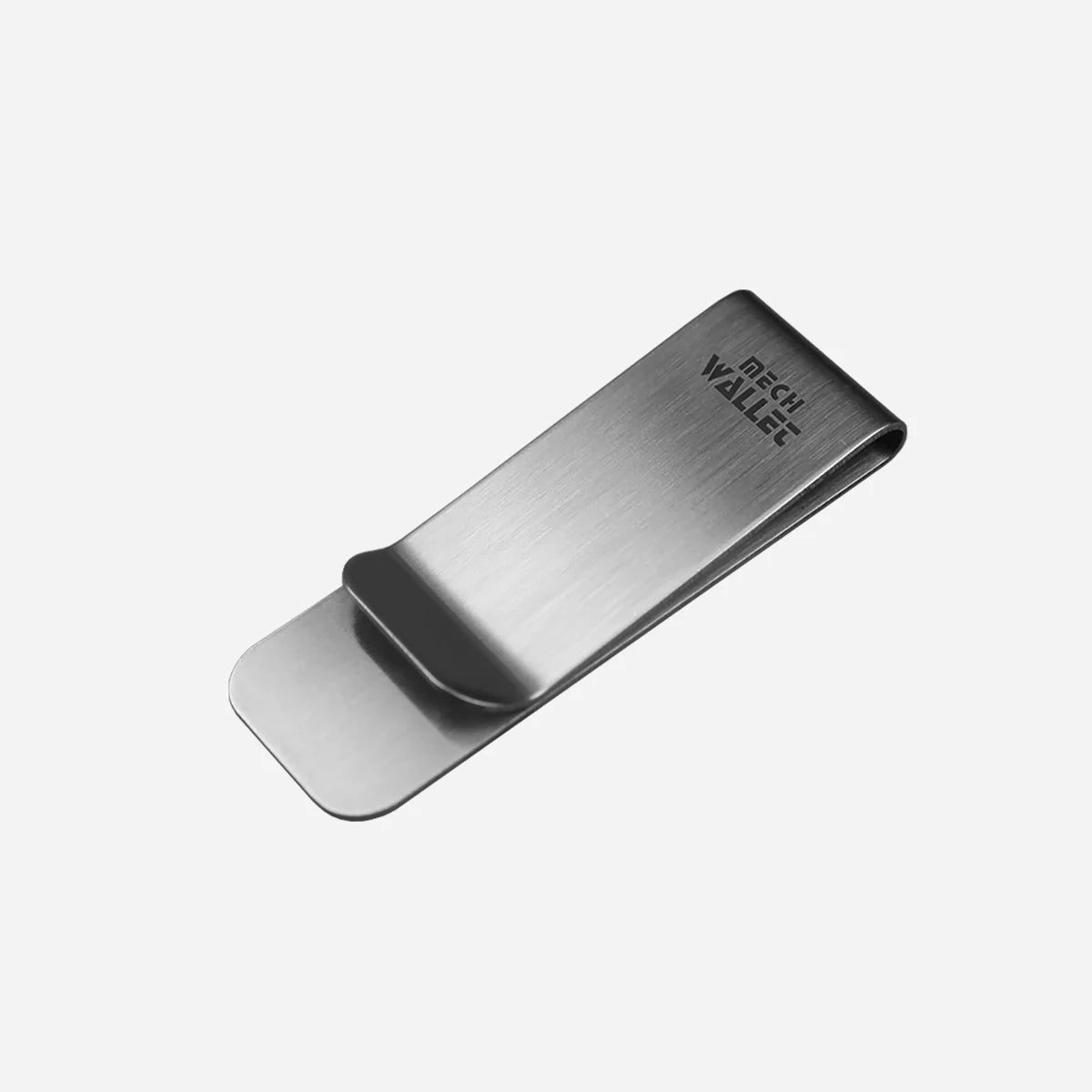
The standalone PunCube Mech Wallet uses the included Money Clip for a few folded notes. PunCube publishes 98 by 60 by 8 millimeters and 53 grams for the aluminum wallet before accessories. It has not published the complete thickness or weight with the clip installed, so the base figures should stay attached to the standalone body.
PunCube Bifold gives cash a more contained place. The current product page lists up to ten bills, while its FAQ says five to seven bills fit in ordinary use and ten requires neat folding and compression. Currency dimensions, folds, cards, and coins all change the working load.
The Money Clip and Bifold cash guide explains those two PunCube options in detail. A traditional full-size bifold remains the sensible choice for unfolded notes, many receipts, checks, or paper documents that exceed the compact Bifold section.
Receipts reveal how much paper the wallet really carries
A receipt kept for ten minutes has a different job from a receipt stored for a week. Occasional paper can be folded under the Money Clip or placed in the Bifold section. Several long receipts create uneven edges and consume space that the compact configuration also uses for cash or coins.
A traditional bifold offers more surface area and often a dedicated bill compartment. That room can keep paper flatter and separate it from cards. It also makes the wallet larger when the paper stays inside.
Empty the receipts before comparing wallets. Keep the ones needed for returns, expenses, or travel and count how often they actually stay in the wallet. A repeated paper load supports the larger structure. A pile of expired receipts is a filing problem and should not decide the daily carry.
Front-pocket size depends on the loaded shape
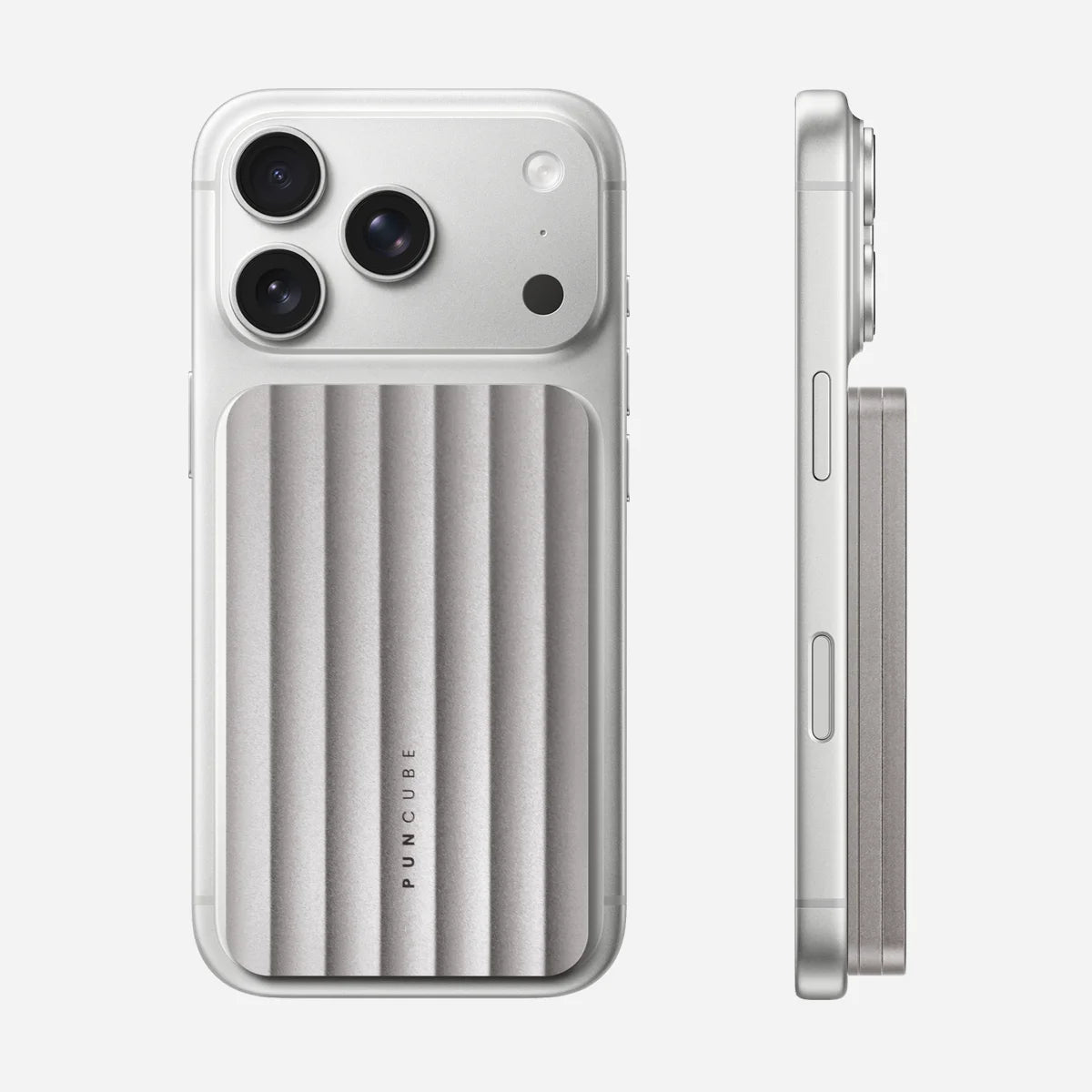
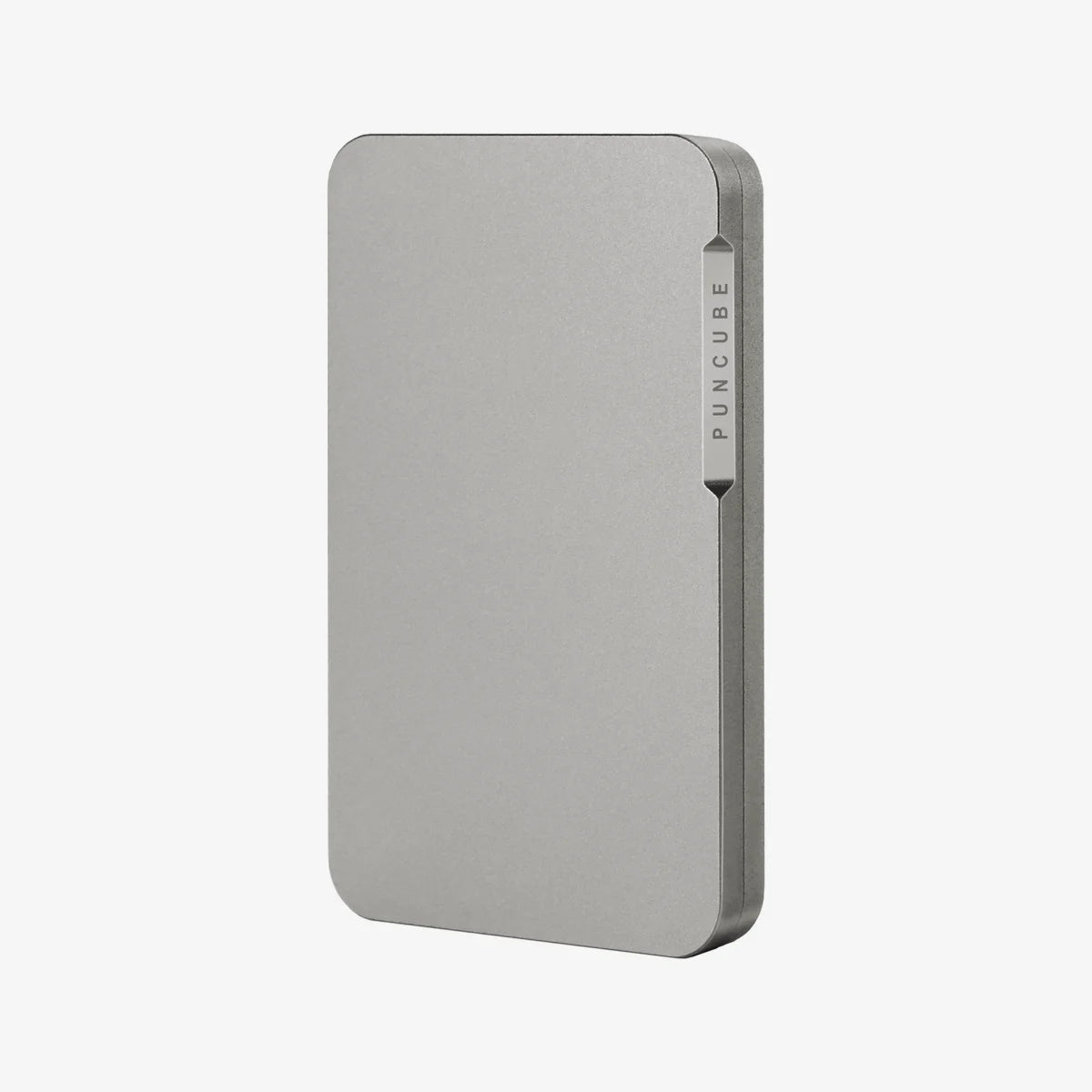
The standalone aluminum Mech Wallet measures 98 by 60 by 8 millimeters and weighs 53 grams before accessories. The complete empty PunCube Bifold keeps the 98 by 60 millimeter footprint, reaches 12 millimeters in thickness, and weighs 65 grams.
Traditional bifolds vary too widely for one fair dimension. Leather thickness, number of slots, bill-compartment height, and the amount of paper inside can all change the result. Their folded design can also concentrate cards into two opposing stacks.
Compare the wallets while loaded. Place the same cards and cash into each structure when both are meant to carry them. Record the thickest point, not only the edge that looks thinnest. Then sit, walk, and retrieve the wallet from the actual trousers or shorts used most often.
The planned front-pocket guide gives a fuller test for loaded fit. Add its verified retained URL here after the September 12 rewrite is published.
<!-- Add the front-pocket article link above only after Search Console has identified the retained URL and the rewrite is live. -->
Where PunCube Bifold sits between the two
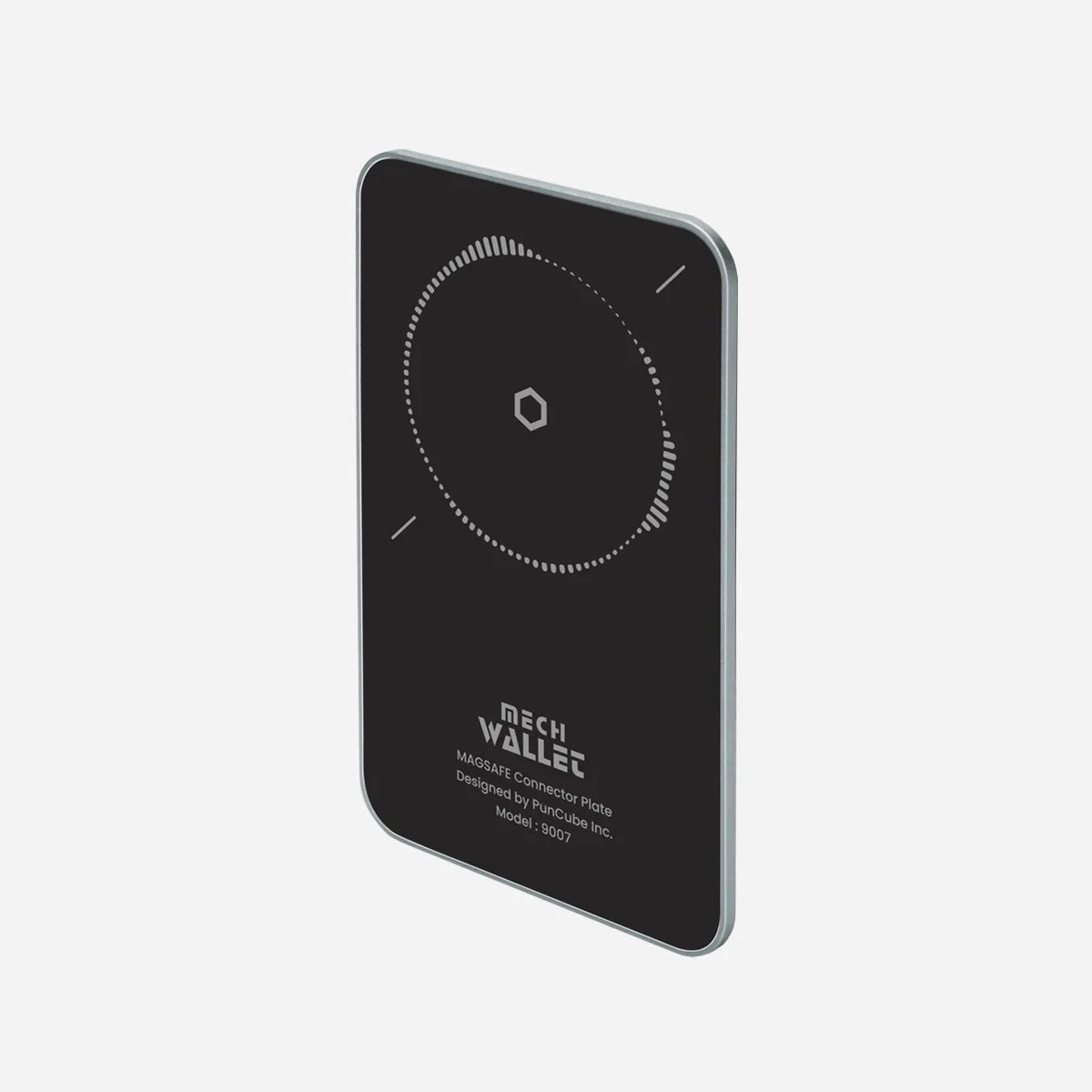
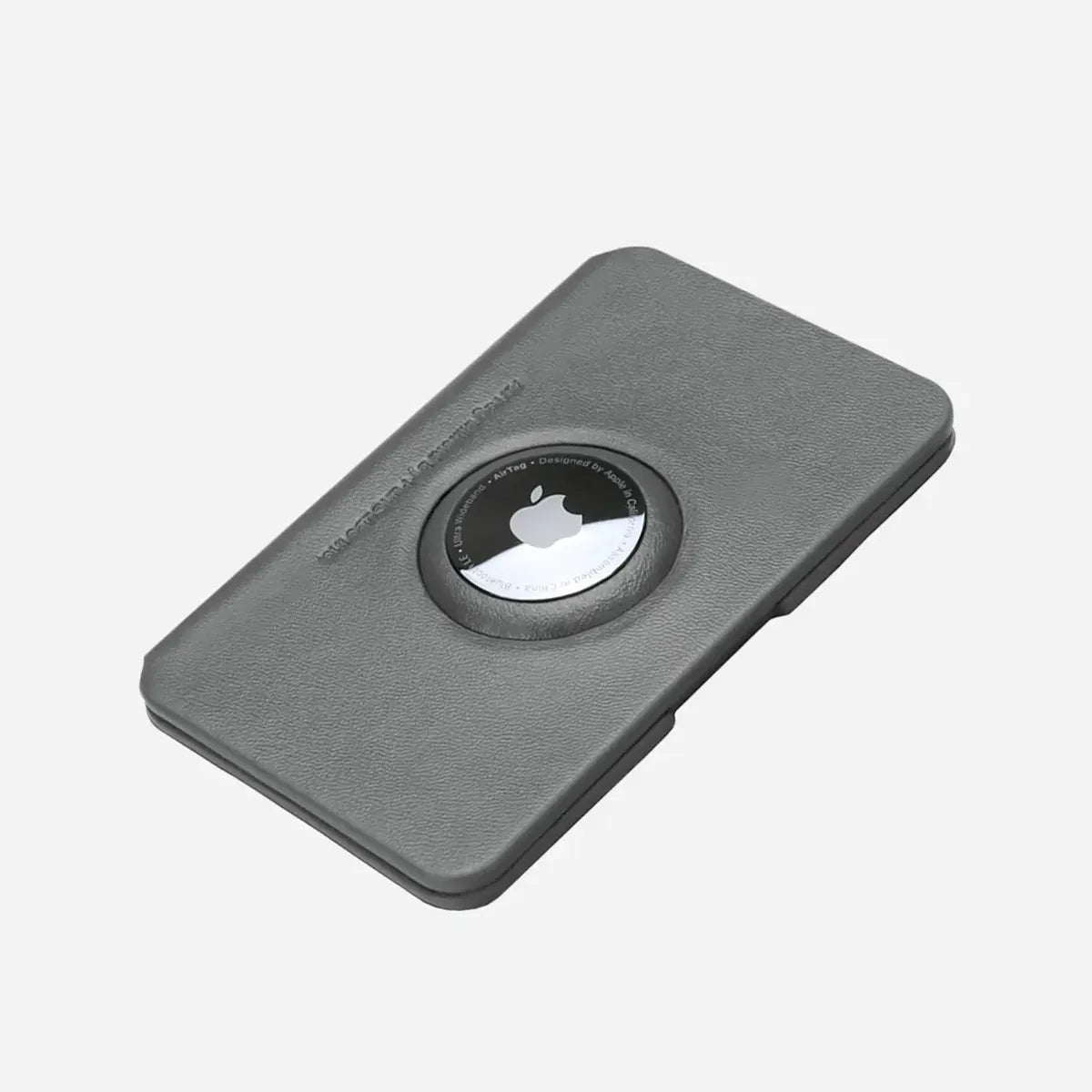
PunCube Bifold keeps the mechanical card-access action and adds a 180-degree magnetic leather section. That section holds extra cards, folded cash, coins, and a quick-access card or tracker. The main metal chamber continues to block RFID and NFC communication for enclosed compatible cards.
The structure is useful when the main stack stays within six flat or five embossed cards and the rest of the carry needs a small amount of divided storage. An office badge can sit outside the blocked chamber. Folded notes and a few coins gain an enclosed position. Total card capacity rises to nine.
Its limits are equally useful. The wallet has no full-length bill compartment, and the flexible storage is shared. The largest published card, cash, and coin figures should not be added together as one guaranteed load. The flap should close cleanly with the buyer's actual contents.
Read the complete PunCube Bifold guide for compartment details and configuration measurements.
Choose from the contents on the table
Choose a standalone mechanical cardholder for four to six frequently used cards, light folded cash, and a preference for one-handed card selection. Its rigid structure and compact footprint suit a stable load.
Choose the PunCube Bifold hybrid for seven to nine cards, regular folded cash, a few coins, or an external credential slot. Its added 4 millimeters and 12 grams give those items defined positions while preserving the mechanical chamber.
Choose a traditional bifold for more paper, unfolded currency, a changing collection of cards, or the familiar habit of opening a wallet and seeing several compartments. Flexible leather or fabric may also suit someone who dislikes a rigid object in the pocket.
The decision becomes easier after one week of observation. Put every item removed from the current wallet into a daily, occasional, or expired group. Build the replacement around the daily group, then leave enough room for the occasional items that really return.
Frequently asked questions
Is a mechanical cardholder the same as a metal wallet
Metal describes a material. Mechanical describes the card-access action. Some metal wallets use elastic, plates, or manual stack removal. PunCube uses a side drive that raises cards into a fan.
Does PunCube Bifold work like a traditional full-size bifold
It combines a mechanical metal chamber with a compact leather section. It holds extra cards, folded cash, coins, and a quick-access credential. It has no full-length bill compartment.
Which structure works for five cards
Five standard cards fit within the standalone Mech Wallet's published capacity. A traditional bifold also carries five cards and may suit someone who wants separate slots or more paper storage.
Which structure works for nine cards
The complete PunCube Bifold is rated for up to nine cards in total. A traditional bifold may offer a different number of slots, so check the specific design and the thickness of the actual cards.
Can a traditional bifold be front-pocket friendly
Yes. Its loaded dimensions, material, and pocket shape decide the fit. Compare complete loads in the clothing used most often.

Leave a comment
This site is protected by hCaptcha and the hCaptcha Privacy Policy and Terms of Service apply.