

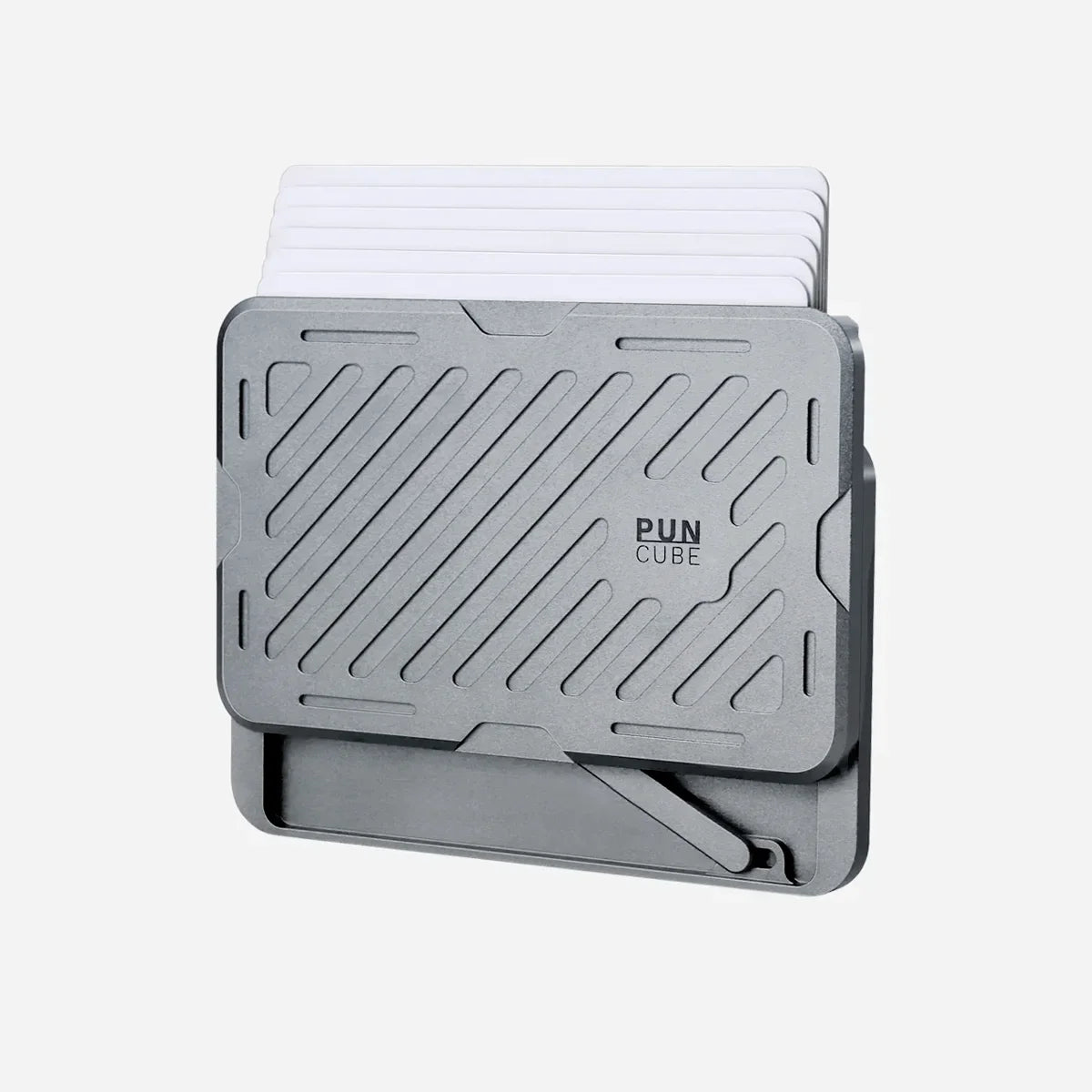
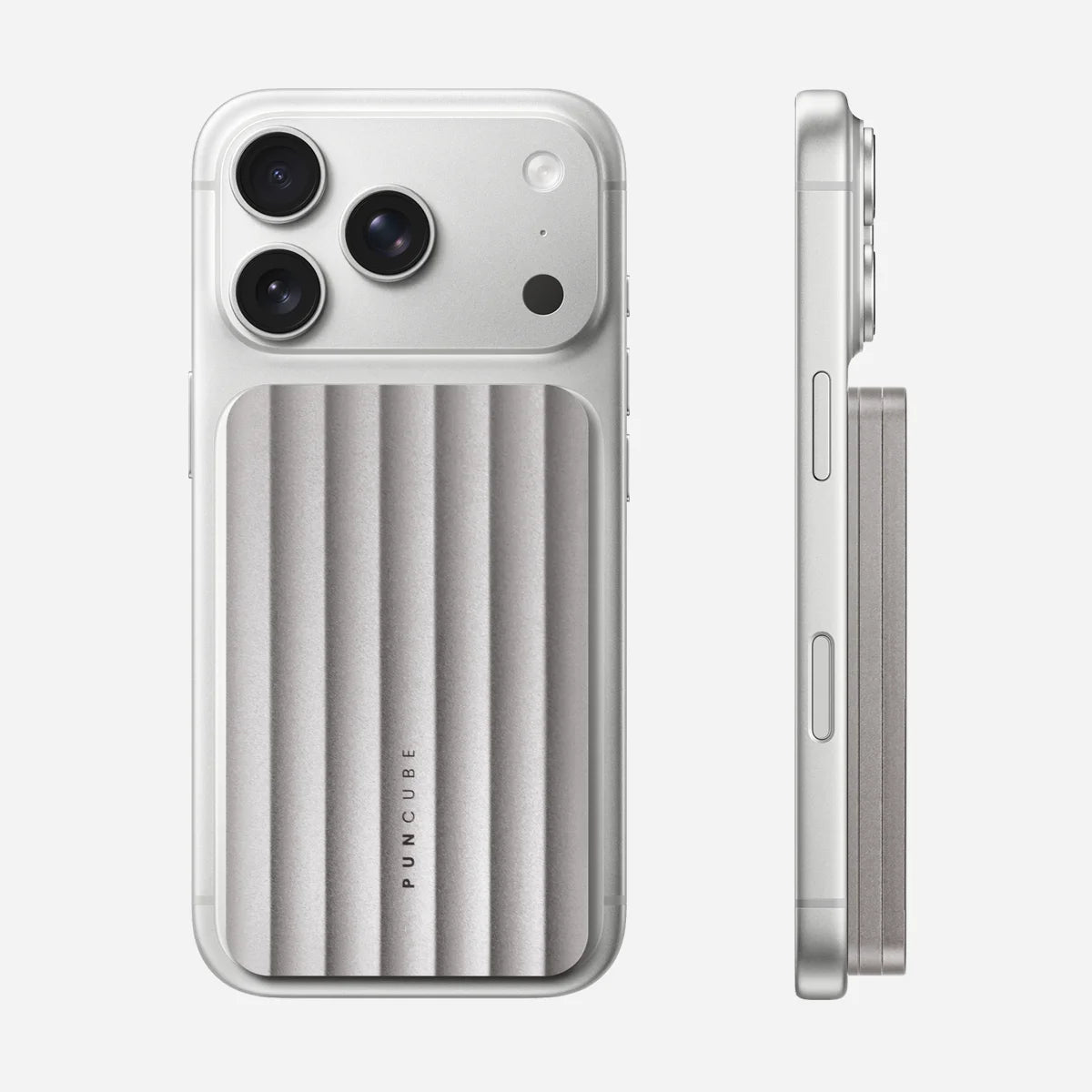
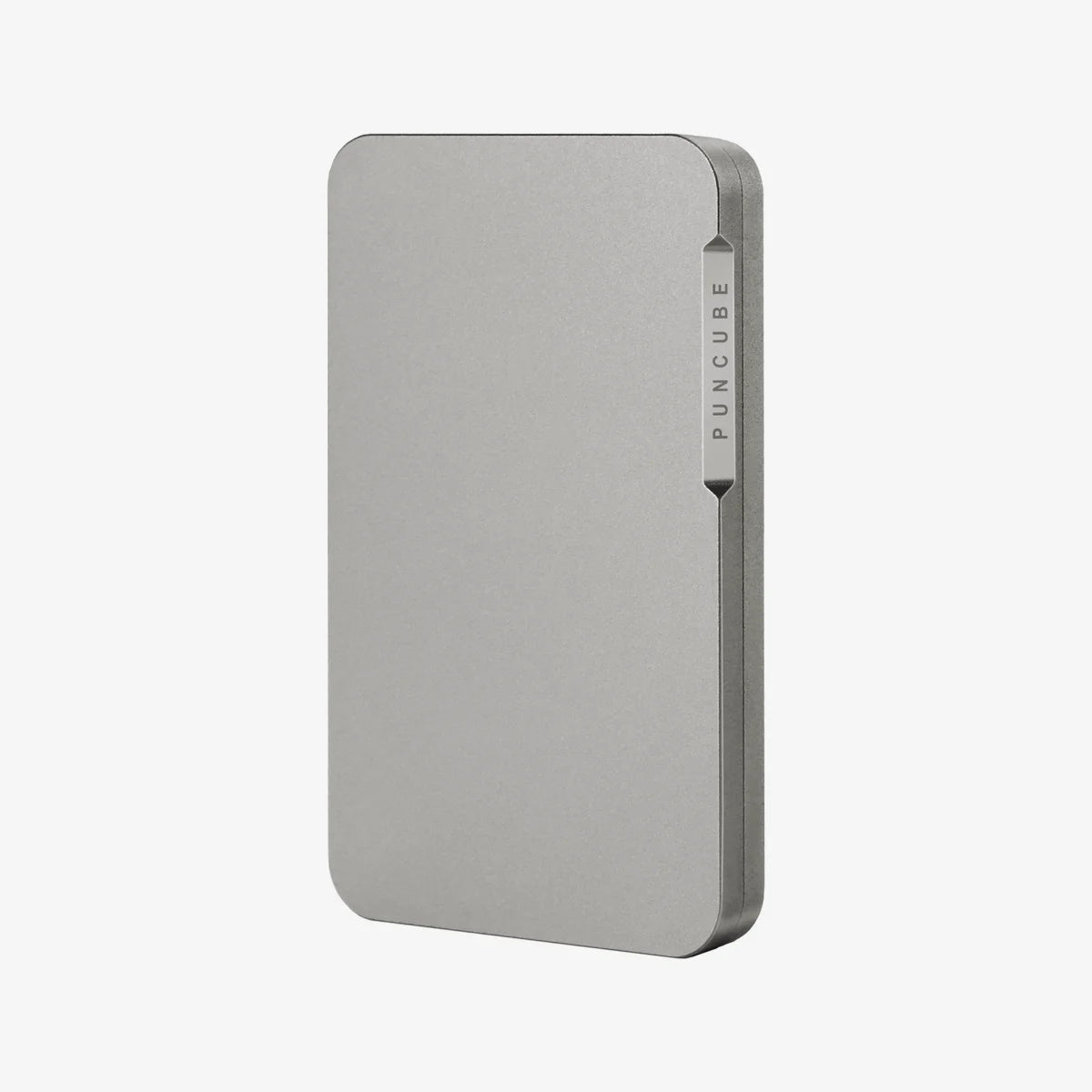
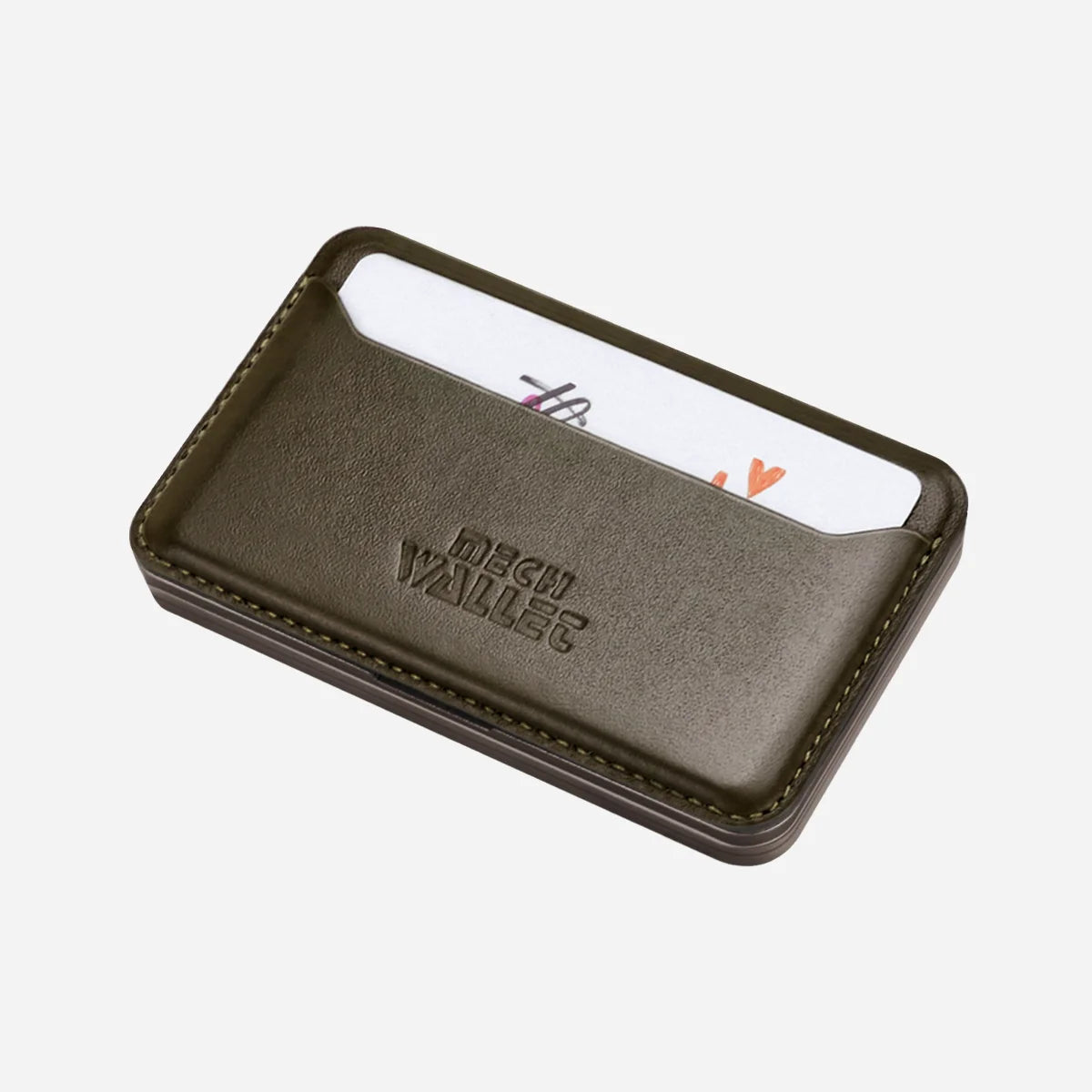
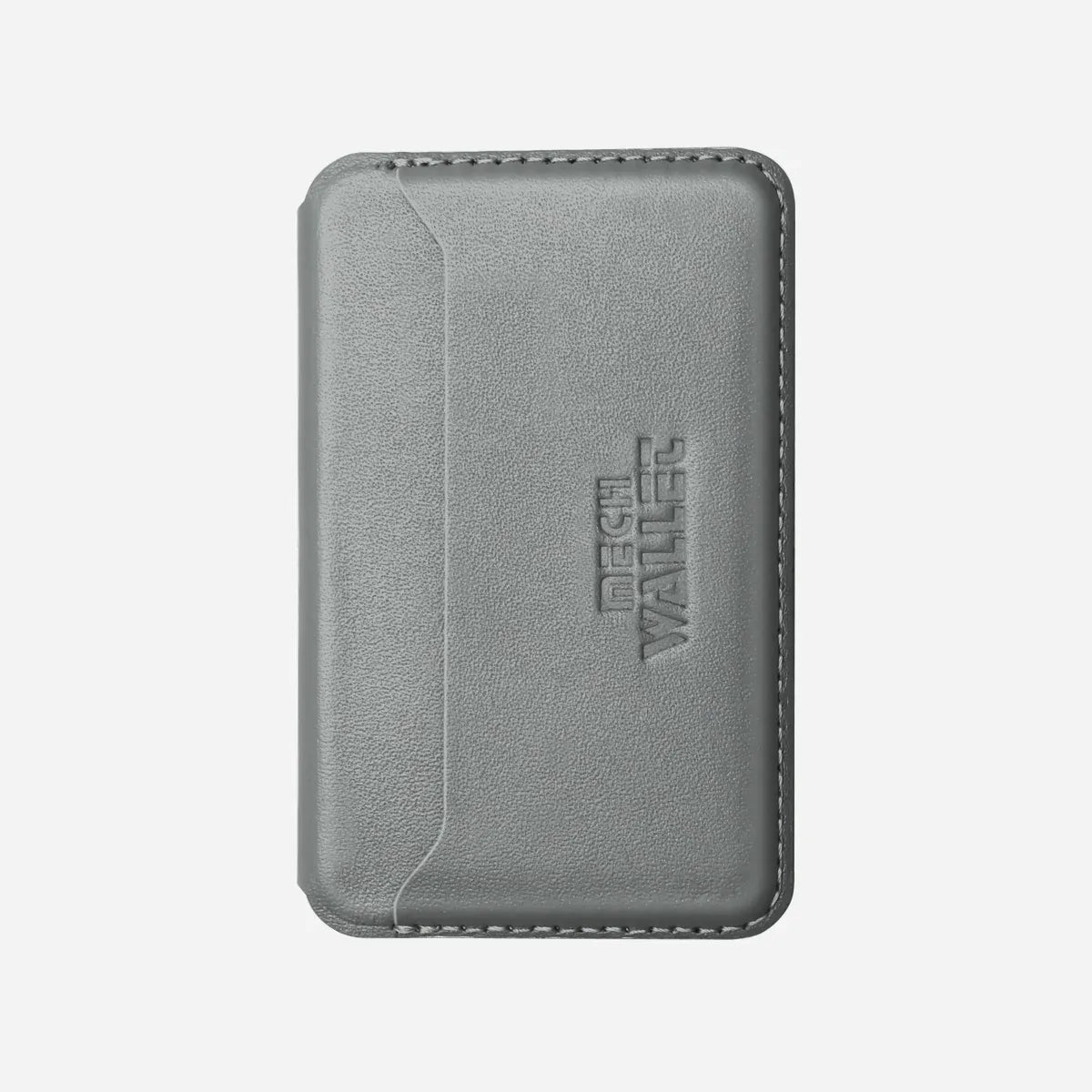
PunCube, Ridge, Ekster and Secrid all make compact metal wallets, though they organize cards in four different ways. PunCube uses a side-sliding face to raise a staggered fan. Ridge holds an expandable stack between two plates. Ekster splits storage between an ejector and a backplate. Secrid keeps six flat cards in a fixed chamber.
That difference matters more than the largest capacity number. Quick-access capacity and total capacity describe different parts of the carry. Ekster reaches 14 cards by counting the ejector and backplate together. PunCube's base chamber holds up to six flat cards, and the Bifold Module extends total capacity to nine. The base-wallet comparison below keeps those configurations separate.
We checked the US product pages and the cited third-party reviews for this guide. We did not conduct a four-wallet side-by-side hands-on test. Prices are in USD before tax and can change with promotions, finishes and region.
The short answer
-
PunCube fits a compact six-card base carry, expands to nine cards with the Bifold configuration, and offers three distinct slide feels.
-
Ridge fits a card count that changes often, including people who regularly carry nine to twelve cards.
-
Ekster fits buyers who want a quick-access group and a separate place for secondary cards or folded bills.
-
Secrid fits a fixed four-to-six-card carry at the lowest price checked here.
Base wallet comparison
The figures in this table describe the base product as sold. PunCube's nine-card figure applies to the Bifold configuration and is covered later. Secrid's dimensions and weight come from Pack Hacker measurements because the current Secrid product page does not publish the numbers in text.
|
Wallet |
US price when checked |
Body size |
Weight |
Base card layout |
Card access |
Cash with base product |
|---|---|---|---|---|---|---|
|
$69 sale, $99 regular |
98 × 60 × 8 mm |
53 g |
6 flat or 5 embossed cards |
Side-slide mechanical fan |
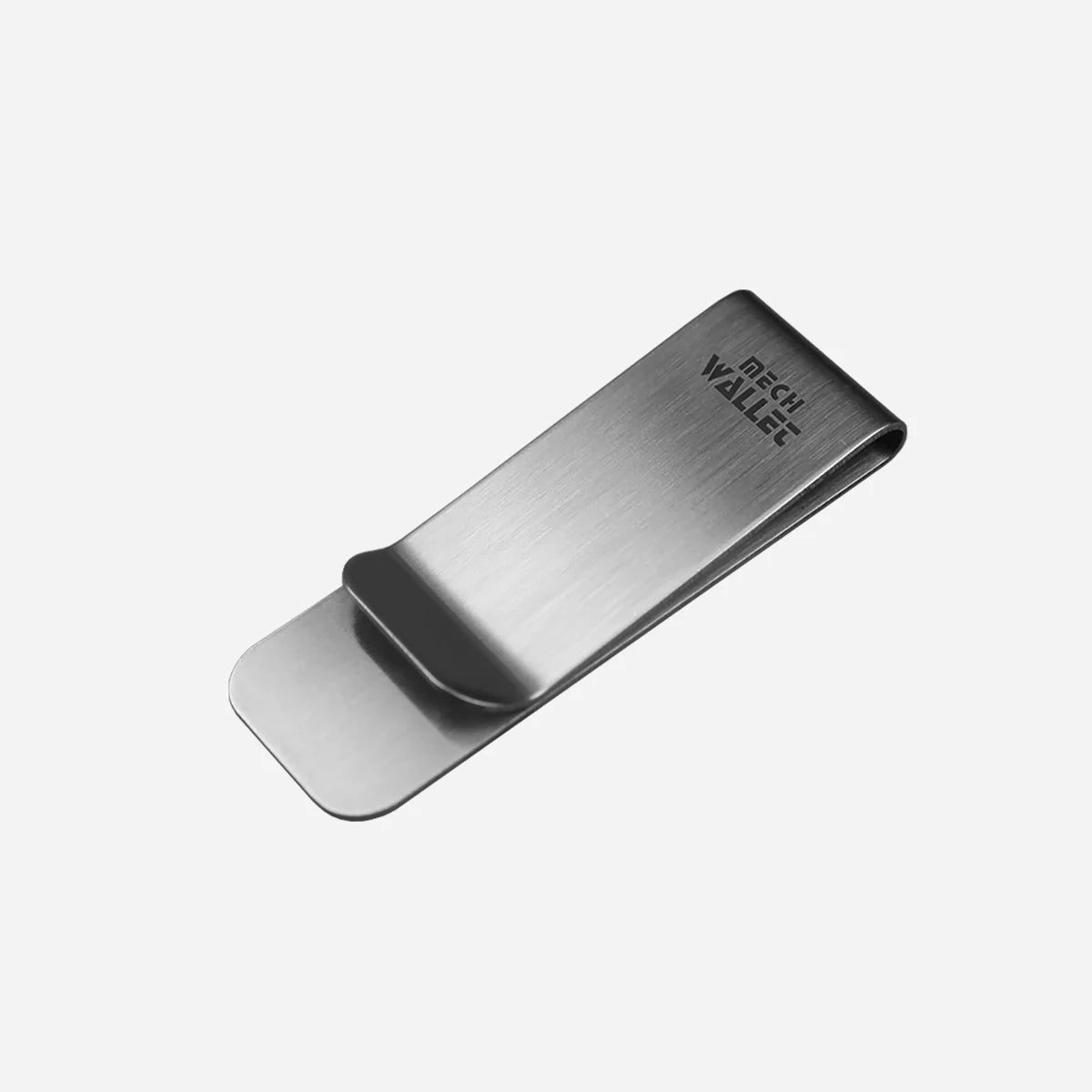
Stainless steel money clip included |
|
|
$95 |
86 × 54 × 6 mm |
Not published for the 2.0 aluminum |
1 to 12 cards |
Push, squeeze and fan by hand |
Cash strap or money clip |
|
|
$89 to $119 displayed across finishes and promotions |
108 × 63 × 15.5 mm |
Not published |
5 to 7 in the ejector, 6 to 7 under the backplate, up to 14 total |
Push-button fan |
Expandable backplate with strap |
|
|
$49 |
6 flat or 4 embossed cards |
Bottom lever and stepped fan |
No built-in cash carry |
The listed thickness is the unloaded body measurement. Ridge expands as cards are added. Ekster's base product includes the backplate, which is part of its published 15.5 mm depth.
Materials, RFID protection and purchase terms
Each wallet in this comparison offers RFID protection. Warranty names and periods come from the current product pages. Coverage and return eligibility depend on the full terms, condition of the item and purchase region.
|
Wallet |
Published material |
RFID protection |
Return or trial period shown on product page |
Warranty shown on product page |
|---|---|---|---|---|
|
PunCube Mech Wallet |
6063 aluminum |
Yes |
100 days |
5 years |
|
Ridge Wallet 2.0 Aluminum |
Anodized 6061-T6 aluminum |
Yes |
99 days |
Built for Life warranty, described by Ridge as lifetime coverage |
|
Ekster Cardholder Pro |
Recycled 6061 aluminum with metal ejector |
Yes |
100 days |
Lifetime warranty |
|
Secrid Cardprotector |
Anodized aluminum, plastic and stainless steel |
Yes |
See Secrid's regional return terms |
2 years, with extended coverage available after registration |
PunCube makes card access part of the carry experience
The Mech Wallet makes card access the center of the design. Sliding the front face raises the cards in a staggered fan. Wasteland has a clicky, ratcheted movement. Horizon moves smoothly. Ripple uses a quieter magnetic action. The storage and access method stay the same, while the hand feel changes.
PunCube rates the aluminum wallet for six flat cards or five embossed cards. An iOSHacker reviewer continued using a Wasteland model as his primary wallet at the three-month mark. The site disclosed affiliate links and said PunCube sent the MagSafe attachment used in the review.
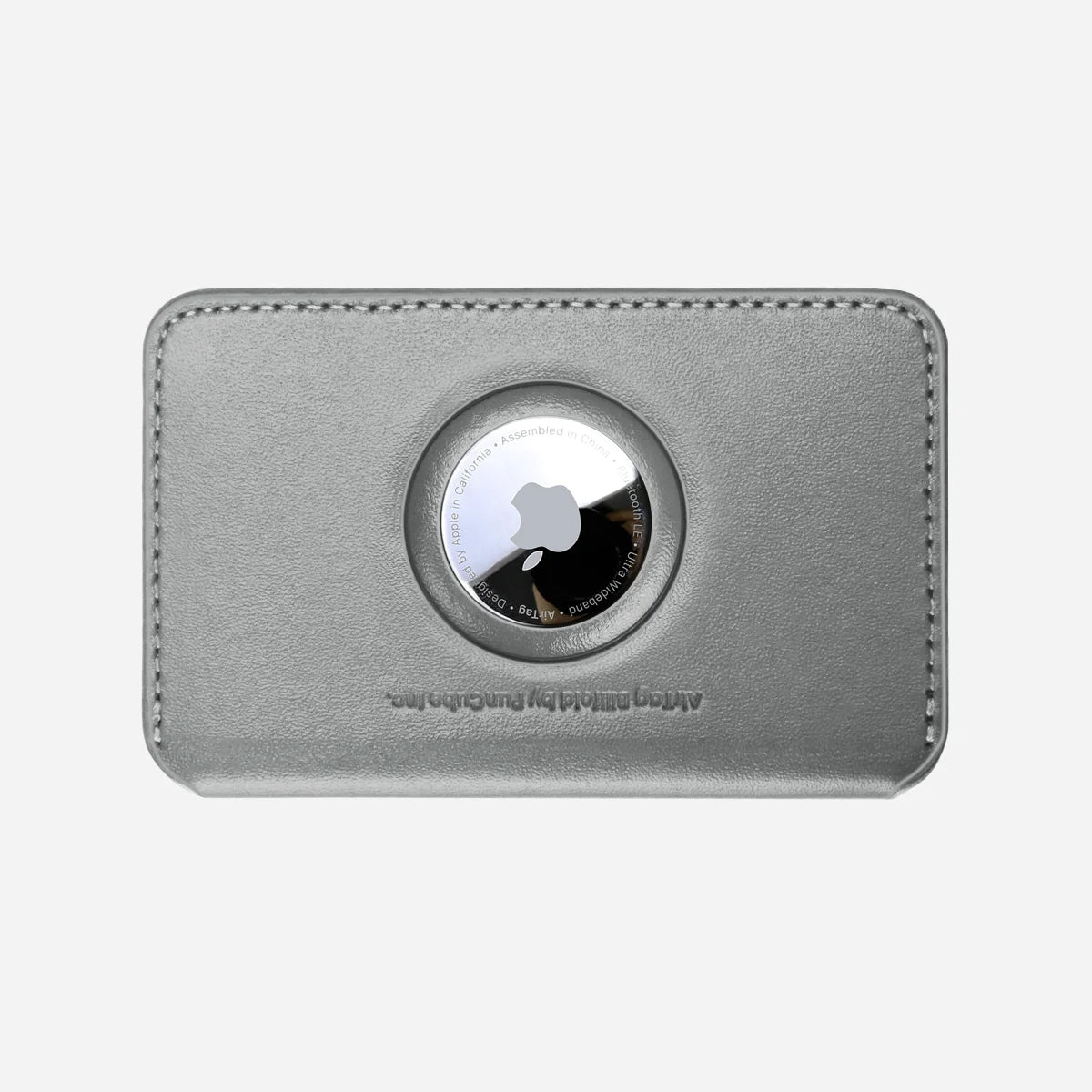
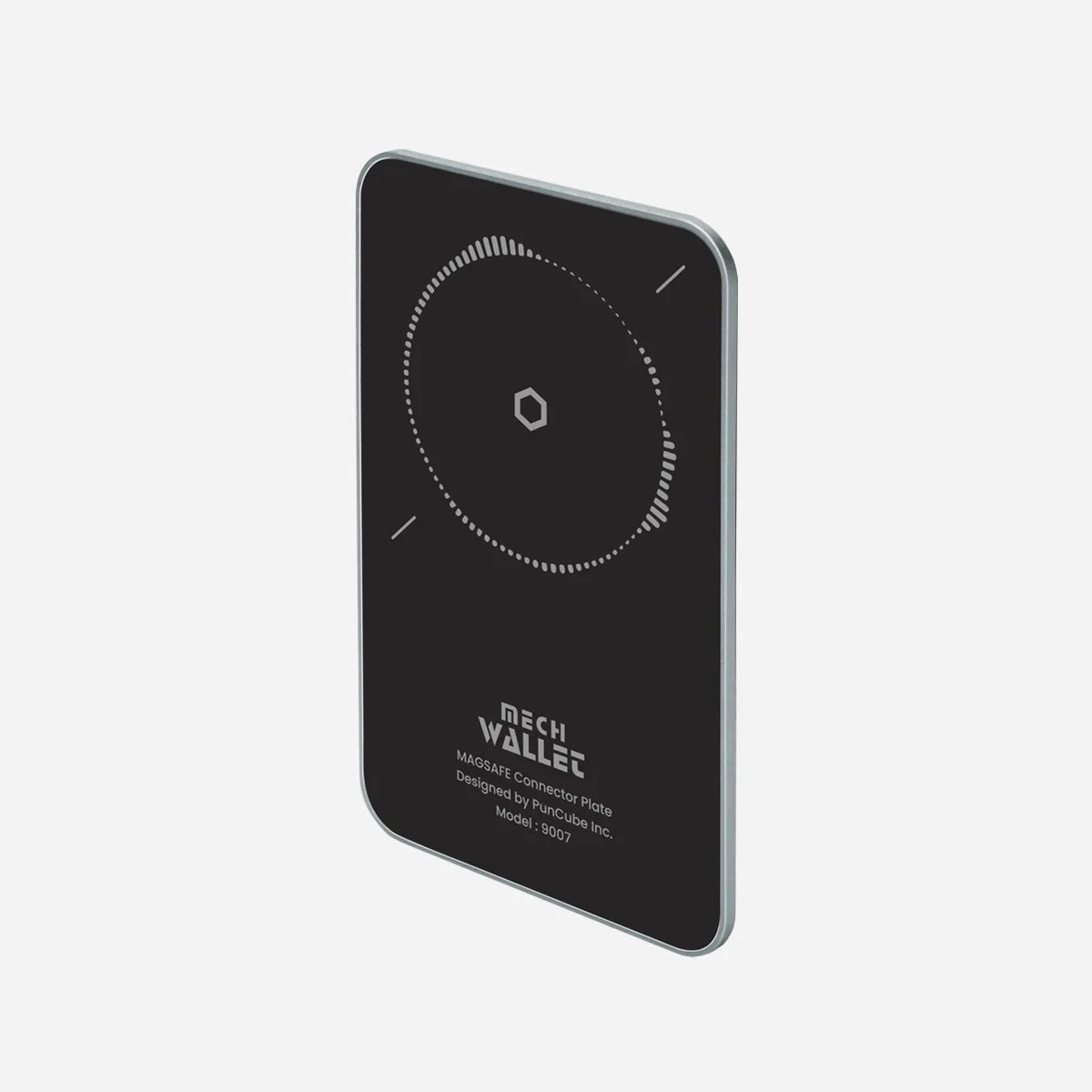
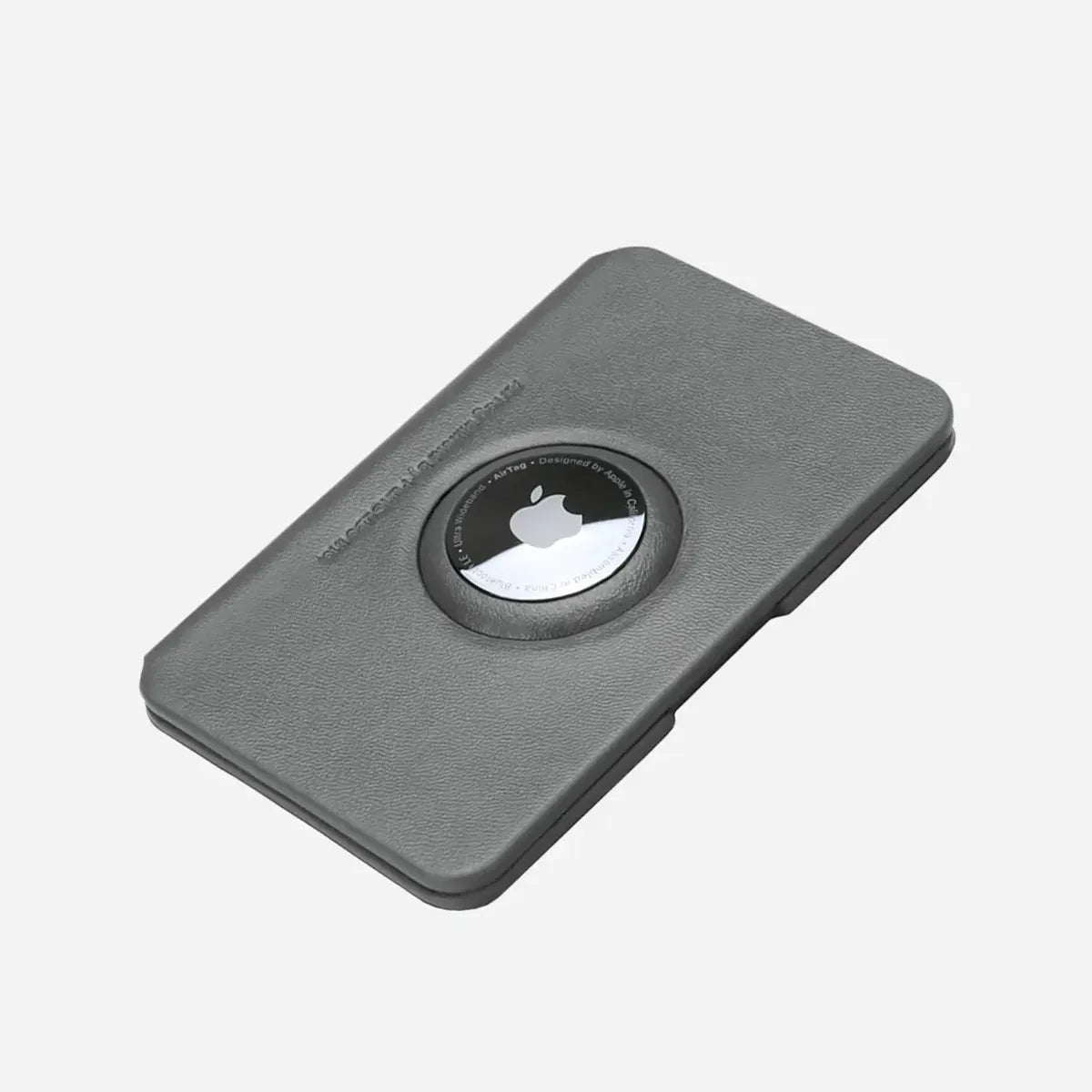
The base wallet includes a money clip. PunCube also sells Bifold, MagSafe and AirTag modules, plus the Sentry Card. Each module changes the final configuration, so the dimensions, weight and capacity below apply only to the setup named.
-
The Bifold Wallet configuration raises published total capacity to nine cards. The complete setup is 12 mm thick and weighs 65 g.
-
The MagSafe Wallet configuration is 10 mm thick and weighs 75 g, compared with 8 mm and 53 g for the base Mech Wallet. Its current product page lists a money clip as included.
PunCube fits buyers who want one-handed side-slide access, a choice of three tactile mechanisms and a money clip included with the base wallet.
Ridge handles the widest change in card count
The Ridge Wallet 2.0 Aluminum holds one to twelve cards between anodized aluminum plates and elastic. It has no ejector button. You push the stack through the thumb notch, squeeze the plates and fan the cards with your fingers.
Its 86 × 54 mm outline is the smallest published footprint in this comparison. Ridge lists an unloaded thickness of 6 mm. The current product page does not state a weight for the 2.0 aluminum model, so this guide leaves that field open. Ridge says the 2.0 is 10 percent lighter than the previous generation, without publishing the resulting number on the page.
Ridge fits buyers whose card count changes from day to day. Its plate-and-elastic layout accepts a broader range than a fixed ejector chamber, and its elastic and screws are replaceable. A frequently used card in the middle of a large stack still takes more manual sorting than a stepped ejector.
Ekster separates quick access from total storage
The Ekster Cardholder Pro holds five to seven cards in its metal ejector and another six to seven under the expandable backplate. Ekster publishes a total range of one to fourteen cards. That total includes both storage zones.
Pressing the metal button raises the main cards in a stepped fan. The backplate suits folded bills, secondary cards or a tracker. This arrangement is useful when payment cards need quick access and insurance or membership cards can stay in a separate group.
The Cardholder Pro measures 108 × 63 × 15.5 mm with its included backplate, giving it the largest published body in this comparison. Ekster offers tracker and coin-storage accessories, though each added piece changes the final thickness and price.
The Gadgeteer reviewed a free sample and disclosed affiliate links. Its reviewer carried eight thin cards in the ejector, one additional card and a Find My card under the backplate. He found that the ejector held cards more securely when it was relatively full. That is one user's configuration, while Ekster's official five-to-seven-card figure remains the safer planning number.
Ekster fits buyers who want frequently used cards separated from secondary cards and folded bills. Buyers who keep only two or three cards may find a fixed small chamber or a plate wallet better matched to that load.
Secrid keeps the configuration fixed
The Secrid Cardprotector holds six flat cards or four embossed cards. Pulling the bottom lever raises them in a stepped fan. The chamber does not expand, and the base Cardprotector has no cash holder.
Secrid makes the Cardprotector in the Netherlands from anodized aluminum, plastic and stainless steel. The product launched in 2009 and received a Red Dot Design Award in 2010. The current US product page lists a $49 price, RFID protection and a two-year warranty. Registration can extend the warranty under Secrid's terms.
Pack Hacker measured the Cardprotector at 102 × 63 × 8 mm and 49.9 g. Its technical details list the Cardprotector and Moneyband separately, and the figures used here describe the Cardprotector alone. Pack Hacker uses affiliate links.
Secrid fits someone who wants a fixed four-to-six-card holder without a module system. Cash requires a Moneyband or a move to one of Secrid's larger models.
Match the wallet to the cards you already carry
Empty your current wallet and separate the cards used in the last month. Count embossed and metal cards on their own because their thickness can reduce the useful capacity of a fixed chamber.
For a compact everyday carry, PunCube offers three slide feels and includes a money clip. Secrid takes a fixed-capacity approach at a lower price.
At nine to twelve cards, layout becomes the deciding factor. PunCube reaches nine with the Bifold Module. Ridge keeps the stack expandable, while Ekster separates quick-access cards from secondary storage.
Cash changes the comparison. PunCube includes a clip with the base Mech Wallet. Ridge offers a strap or clip. Ekster's backplate holds a small number of folded bills. The base Secrid Cardprotector needs another piece.
Frequently asked questions
Which metal wallet is best under $100?
At the prices checked, PunCube, Ridge and Secrid each had a base option below $100. PunCube suits buyers who want a tactile side-slide action and an included money clip. Ridge suits a changing card count up to twelve. Secrid is the lowest-priced fixed-capacity option. Ekster's displayed pricing varied by finish and promotion, so its live price needs a fresh check.
Is the PunCube Mech Wallet worth it?
It makes sense for someone who values the side-slide action and wants a money clip in the box. The sale price was $69 when checked, and the Bifold Module increases total capacity to nine cards. At higher card counts, the choice comes down to whether an expandable stack or split storage fits the carry better.
What is the main difference between PunCube and Ridge?
PunCube uses a six-card mechanical chamber that raises cards in a staggered fan. Ridge uses an elastic plate system that expands from one to twelve cards and requires manual fanning. PunCube gives the access motion more tactile character. Ridge accepts a wider range of card counts.
Which wallet works best for more than six cards?
PunCube reaches nine cards with the Bifold Module. Ridge works well when all cards can share one expandable stack. Ekster works well when five to seven frequently used cards can sit in the ejector and the rest can stay under the backplate.
If the feel of taking a card out matters, see the current Mech Wallet options. Check live pricing and the full return and warranty terms before ordering any of the four wallets.
Sources and review disclosures
-
iOSHacker PunCube review, three-month Wasteland use, affiliate links disclosed, MagSafe attachment sent by PunCube
-
The Gadgeteer Ekster review, free review sample supplied by Ekster, affiliate links disclosed
-
Pack Hacker Secrid review, Cardprotector measurements, affiliate commissions disclosed

Leave a comment
This site is protected by hCaptcha and the hCaptcha Privacy Policy and Terms of Service apply.