

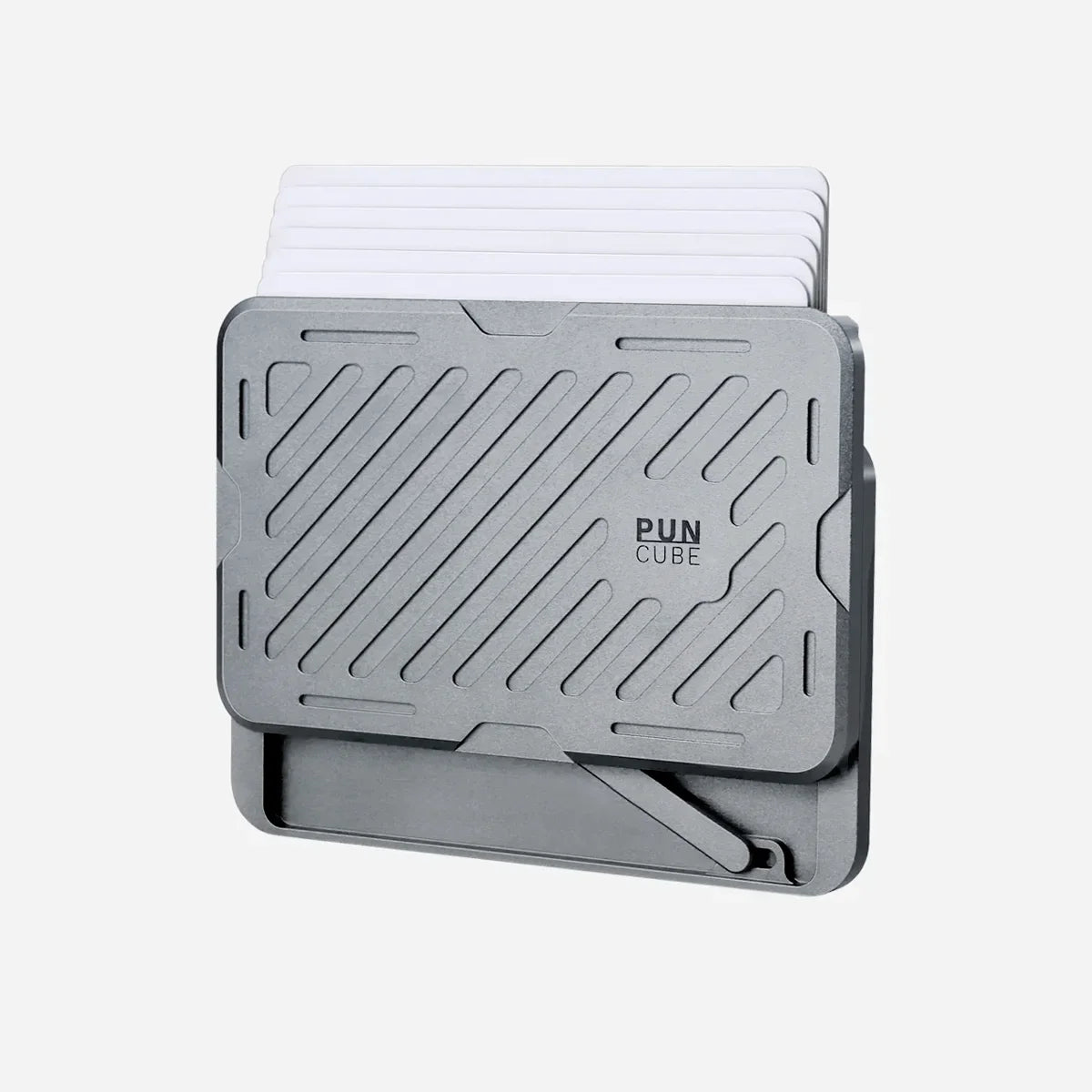
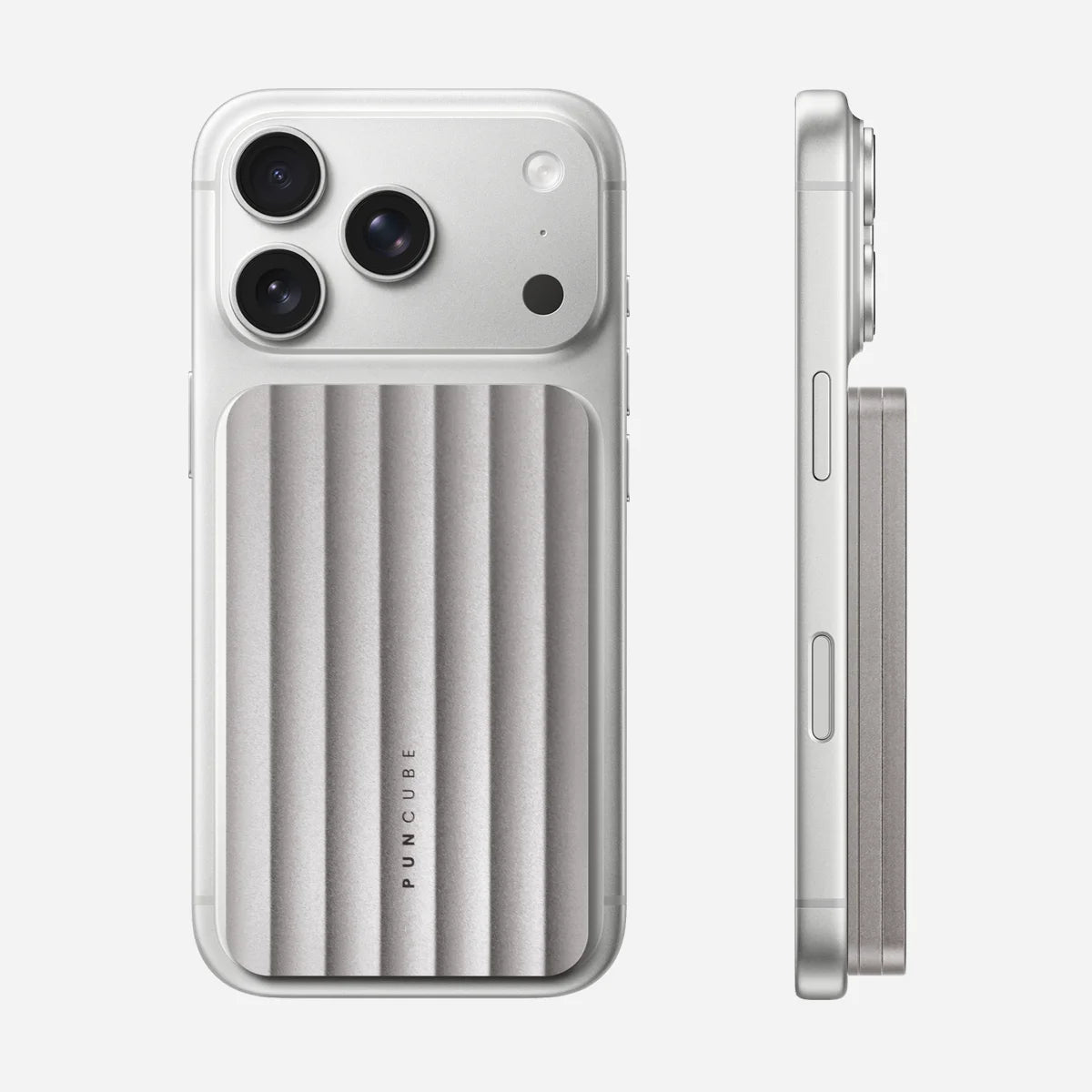
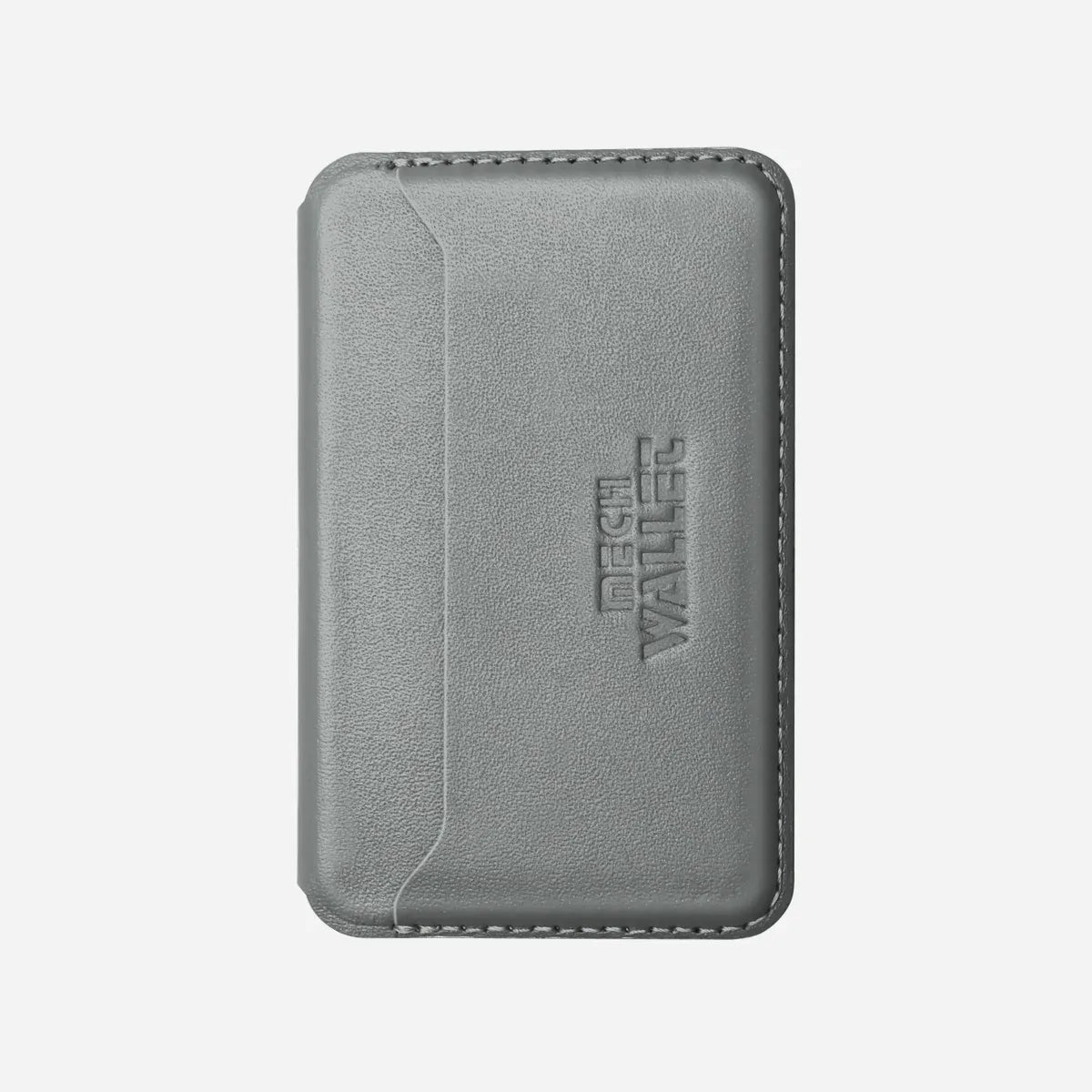
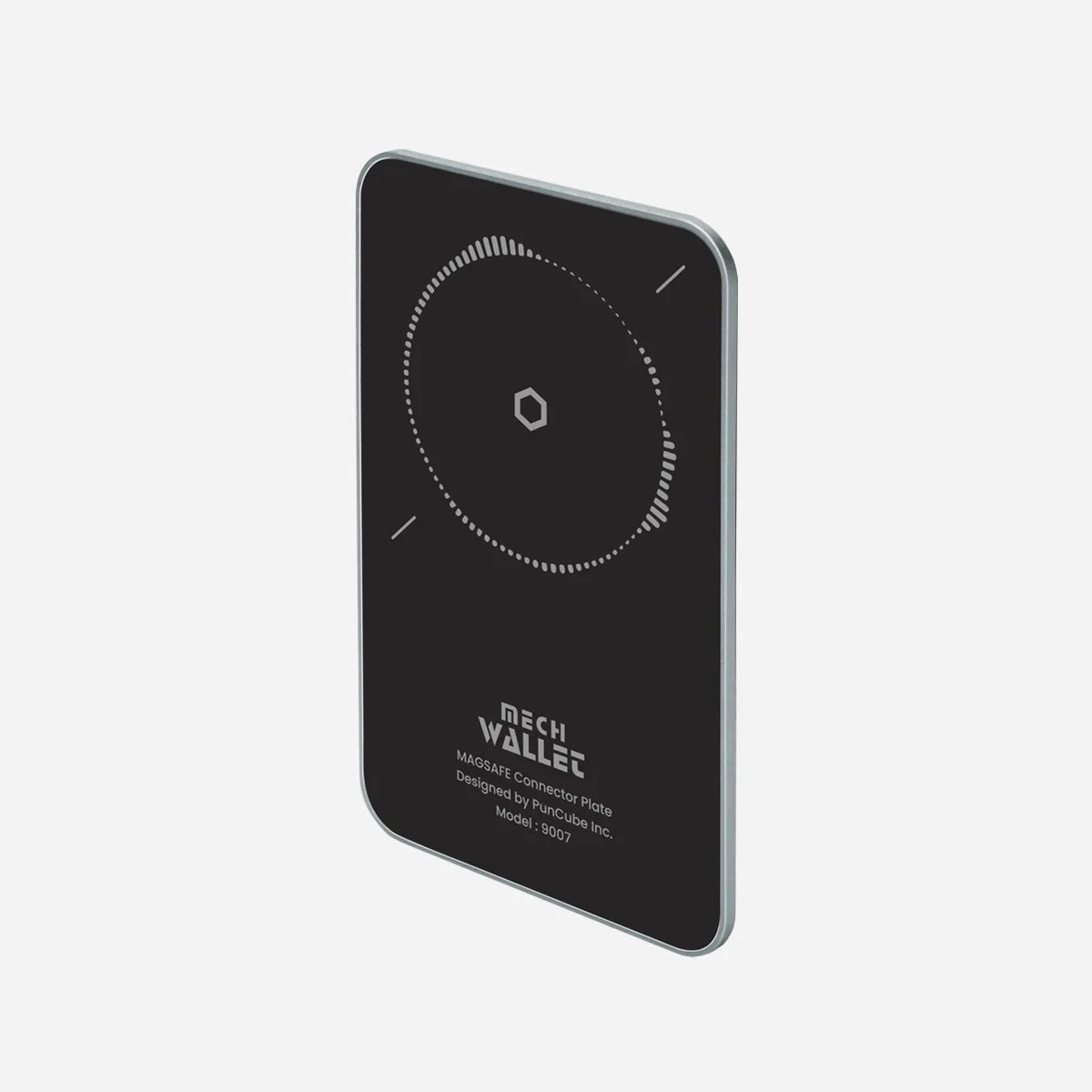
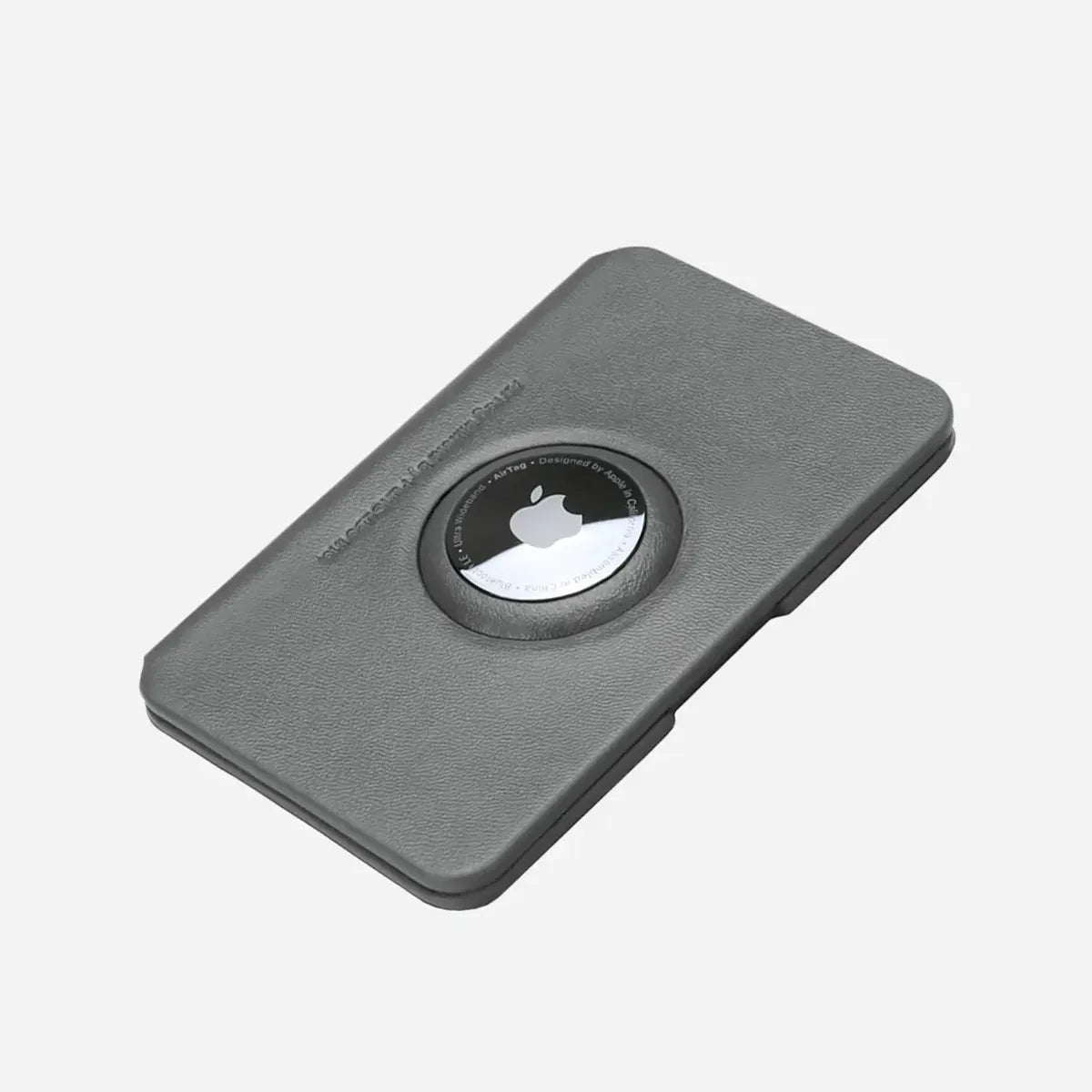
PunCube introduced the Mech Wallet on Kickstarter in 2024 with a compact promise: “Push to Reveal, Fidget for Fun.” The campaign closed on September 8 with 3,298 backers and HK$2,665,229 pledged against a HK$39,035 goal. The current product line keeps the useful part of that idea in plain view. The movement that reveals the cards also supplies the wallet’s tactile feedback.
That connection matters more than the word “fidget.” A wallet still has to hold cards securely and make the right one easy to reach. PunCube’s approach gives the thumb something distinct to feel during that necessary action, then lets the buyer choose how noticeable the feedback should be.
The short timeline
|
Date |
Milestone |
What can be verified |
|---|---|---|
|
July 30, 2024 |
Kickstarter funding began |
The project launched as “Mech Wallet: Push to Reveal, Fidget for Fun.” |
|
September 8, 2024 |
The 40-day campaign closed |
3,298 backers pledged HK$2,665,229. |
|
September 21, 2026 |
Current lineup checked |
The Mech Wallet is sold with Wasteland Clicky, Horizon Smooth, and Ripple Quiet drive styles. |
The campaign figures show that the concept attracted substantial early support. They do not prove how every current wallet will perform, how long an individual mechanism will last, or whether one drive feel will suit every buyer. Current specifications, warranty terms, owner experience, and long-term testing answer those questions more directly.
One thumb movement, two jobs
The original campaign title paired two outcomes in a single sentence. “Push to Reveal” described the practical job. “Fidget for Fun” described the sensation around it.
On the current Mech Wallet, the same relationship remains. A side drive lifts the stored cards into a staggered fan. The user can select a card from the exposed edges, return it, and reset the mechanism. Repeating that movement also produces resistance, travel, and feedback under the thumb.
This is the most useful way to understand a mechanical fidget wallet. The tactile action is integrated into card access. It is different from attaching an unrelated spinner to a cardholder, because the hand does not switch between “using the wallet” and “using the fidget.”
The integration also sets a design constraint. A satisfying motion cannot excuse poor card access. The cards still need to rise predictably, stay retained while stored, and remain within the published capacity. The tactile layer earns its place only when the wallet continues to do its ordinary job.
From a broad mechanical idea to three named feels
The Kickstarter campaign described three mechanical designs. The current lineup makes the choice more explicit through three named drive styles.
|
Current drive |
PunCube description |
Practical interpretation |
|---|---|---|
|
Wasteland |
Clicky, with a crisp pinball-like response |
The strongest audible and stepped mechanical character |
|
Horizon |
Smooth, with clean sliding travel |
Continuous-feeling movement with less emphasis on clicks |
|
Ripple |
Quiet, with restrained magnetic feedback |
The most restrained sound profile, with magnetic feedback under the thumb |
All three access the cards in the same basic way. The difference is the feedback that accompanies the motion. That gives the product line one shared function without pretending that everyone wants the same sound.
Wasteland is the direct choice for someone who wants the mechanism to announce itself. Its crisp steps make the action easy to hear and feel in a short demonstration. That same character can be too noticeable in a meeting or a shared desk area.
Horizon shifts attention from the click to the slide. It still gives the hand a mechanical action, while the clean travel makes it easier to use where repeated ratchet-like sound would be unwelcome.
Ripple takes the quieter route. Its subtle magnetic response preserves a tactile event without turning every card reveal into an audible moment. “Quiet” is a relative product description, not a laboratory claim of silence.
The full Wasteland, Horizon, and Ripple comparison separates the three by sound, hand feel, and likely setting.
The current wallet still has to be measured as a wallet
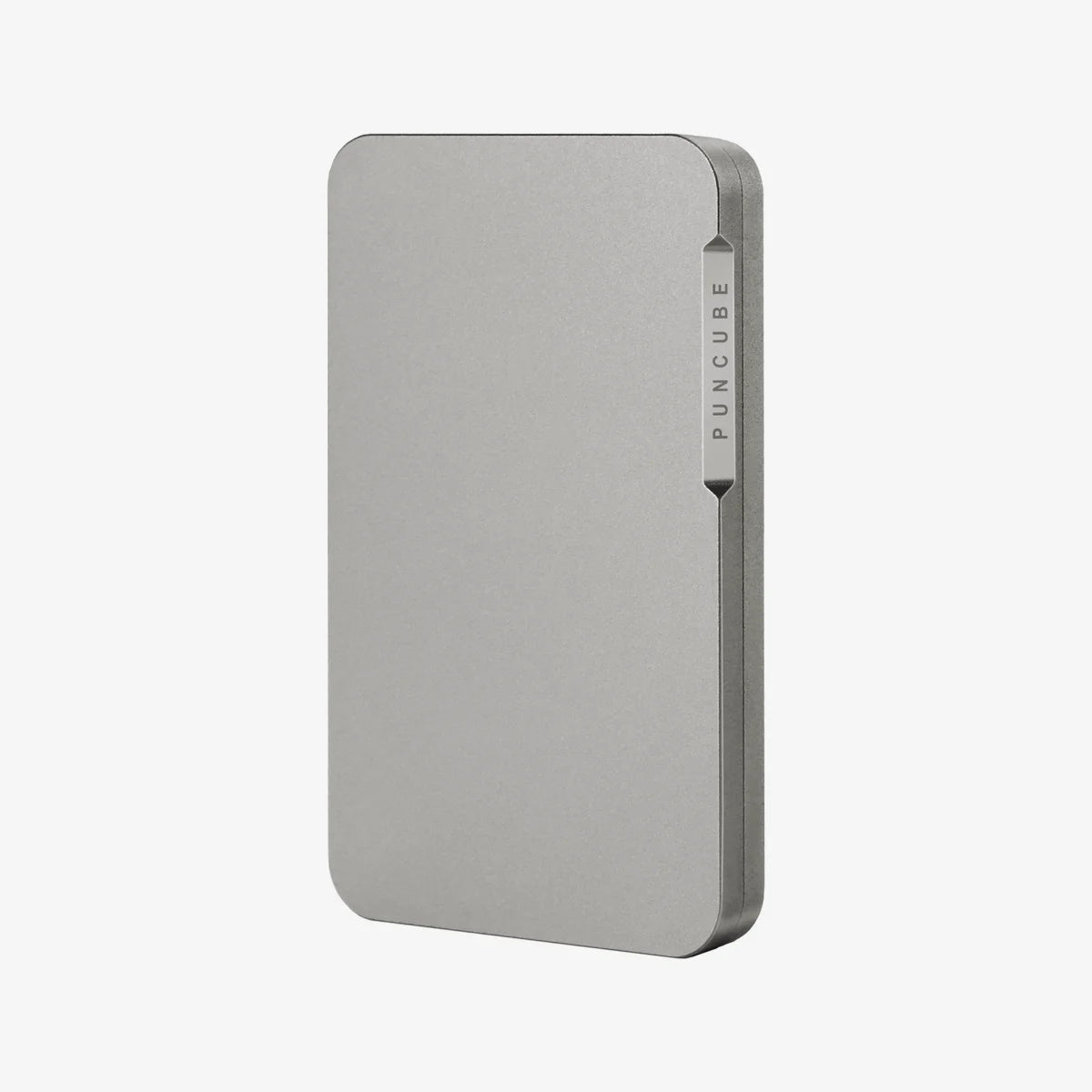
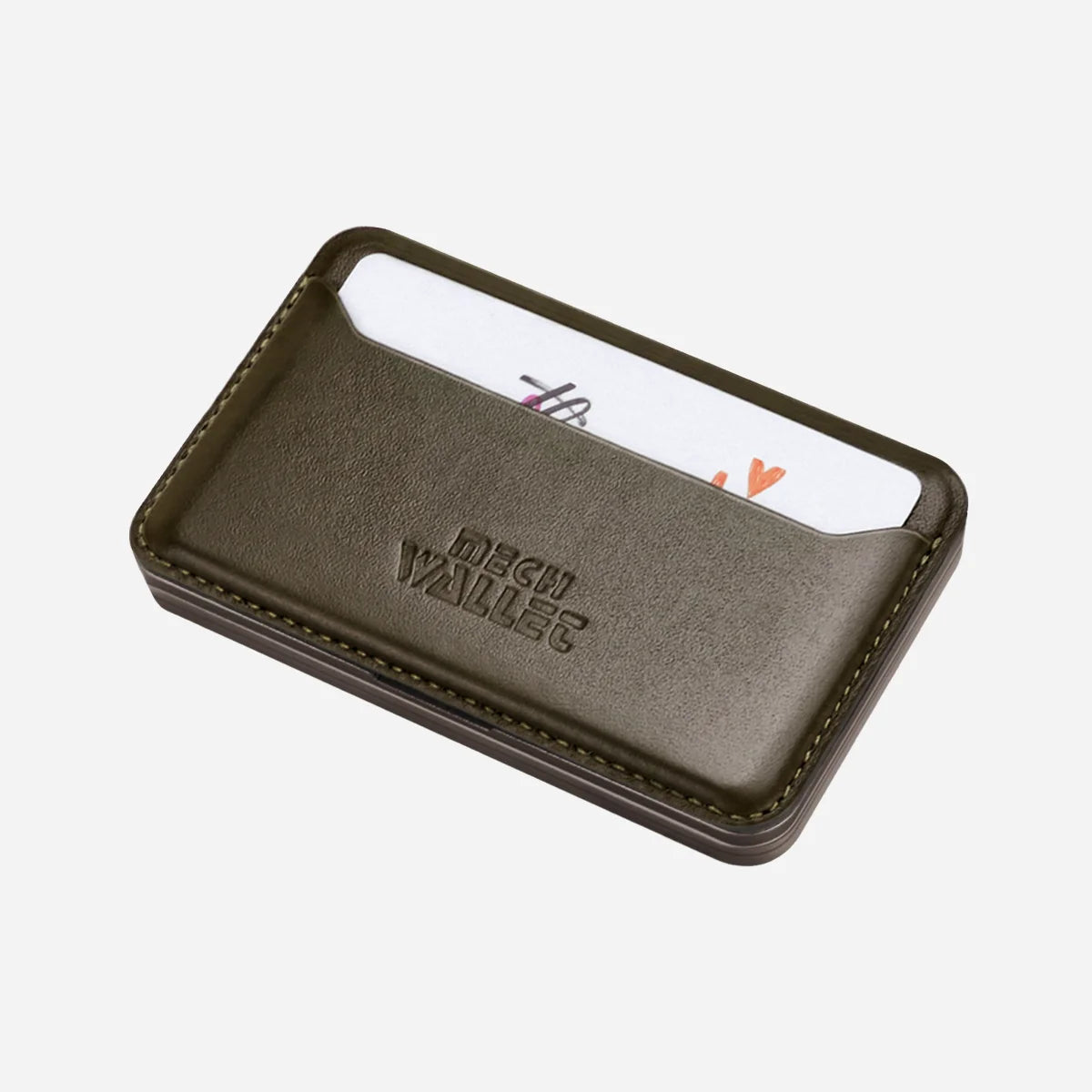
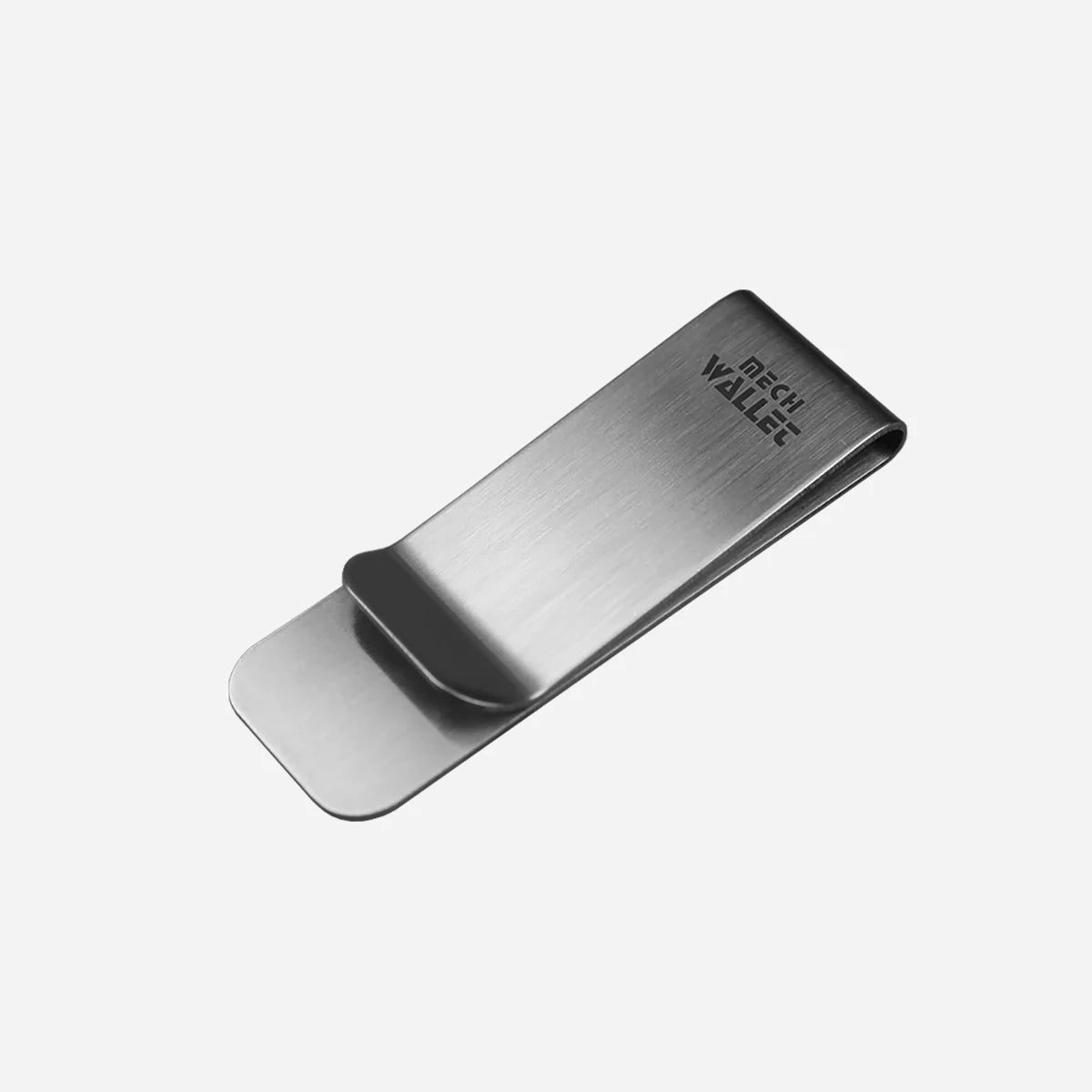
The standalone aluminum PunCube Mech Wallet measures 98 by 60 by 8 millimeters and weighs 53 grams before accessories. Its main chamber holds up to six flat cards or five embossed cards. The body uses 6063 aluminum, blocks RFID and NFC signals around the cards in the metal chamber, and includes a stainless steel Money Clip.
Those figures establish a repeatable baseline. They do not describe a loaded wallet, and they do not include the weight or thickness of an attached accessory. Cards, cash, a phone module, or a tracker all change the final carry.
The same discipline applies to capacity. Six flat cards and five embossed cards are separate limits for different card profiles. A mixed stack depends on the actual thickness of each card. Forcing an extra card into the chamber to reach a preferred number can compromise the movement that makes the wallet useful in the first place.
This practical baseline is why the Kickstarter story belongs beside current product evidence. The campaign explains where the idea became visible. The current specification tells a buyer what the product is now.
Why tactile feedback became a product family
The current three-drive lineup suggests that tactile preference varies even when the card-access task stays the same.
Someone who likes a mechanical keyboard with crisp feedback may gravitate toward Wasteland. A person who handles cards in an office may prefer Horizon. A buyer who wants the movement with the least attention may start with Ripple. None of those preferences changes the basic need to carry and retrieve cards.
This makes tactile feedback a useful way to organize the product family. Color changes appearance. Material changes weight and surface character. The drive changes the moment repeated every time a card comes out. For an object used several times a day, that repeated interaction can be a legitimate purchase criterion.
It should remain a personal criterion. PunCube does not need medical claims about concentration, stress, or anxiety to explain the mechanism. The observable experience is enough. A thumb moves the drive, the cards rise, and the user receives Clicky, Smooth, or Quiet feedback.
What the Kickstarter result does and does not tell a buyer
The campaign’s 3,298 backers and HK$2.665 million pledged are useful historical facts. They show that thousands of people were willing to support the concept before it became the current retail line.
Crowdfunding also has limits as evidence. A pledged amount is not a durability test. A backer count is not a warranty record. Neither number identifies the right drive style for a quiet office or the right accessory for nine cards.
Use the Kickstarter page to understand the origin of “Push to Reveal, Fidget for Fun.” Use current product pages for dimensions, capacity, available configurations, shipping, returns, and warranty. Use matched demonstrations and long-term owner evidence for sound and wear. Keeping those evidence types separate makes the brand story more credible.
Which part of the original idea survives most clearly?
The clearest through-line is the decision to make card access feel intentional. The mechanism does not wait beside the wallet for a spare moment. It appears every time the cards are revealed.
PunCube now offers three responses to that same movement. Wasteland makes it click. Horizon lets it slide. Ripple quiets it down and adds subtle magnetic feedback. The original slogan became more useful once buyers could choose the form of feedback that fits their own carry.
Frequently asked questions
When did the PunCube Mech Wallet launch on Kickstarter?
The funding period began on July 30, 2024 and ended on September 8, 2024. The campaign ran for 40 days.
How much did the Kickstarter campaign raise?
The official campaign page reports HK$2,665,229 pledged by 3,298 backers against a HK$39,035 goal.
Was PunCube the first mechanical fidget wallet?
This article makes no first-in-category claim. “Mechanical fidget wallet” is a useful description of integrated card access and tactile feedback, not a formal category with an independently verified first product.
Are all PunCube Mech Wallets clicky?
No. Wasteland is Clicky, Horizon is Smooth, and Ripple is Quiet with subtle magnetic feedback. They share the same card-access concept and differ in how the movement feels and sounds.
Do the Kickstarter numbers prove the current wallet’s quality?
No. They document early support for the project. Current specifications, policy terms, product testing, and owner experience are more relevant to present-day quality and fit.

Leave a comment
This site is protected by hCaptcha and the hCaptcha Privacy Policy and Terms of Service apply.