

Yes, the PunCube Mech Wallet can be worth it for someone who carries five standard cards every day and enjoys tactile, one-handed card access. Five cards fit within the published capacity of the base wallet, so this carry does not require the Bifold Module. The fit is especially natural when the card count stays stable and cash use is light.
The answer changes when those five cards are unusually thick, when an access card must work through the wallet, or when the stack often grows toward ten cards. PunCube is built around a compact mechanical chamber. Buyers who need flexible high capacity or divided storage may be better served by a different wallet structure.
We checked the current PunCube, Ridge, and Ekster product pages on September 3, 2026 before making that judgment. The live PunCube US page displayed a $69 sale price and a $99 regular price at the time. Prices and promotions can change.
Why five cards suit the base Mech Wallet
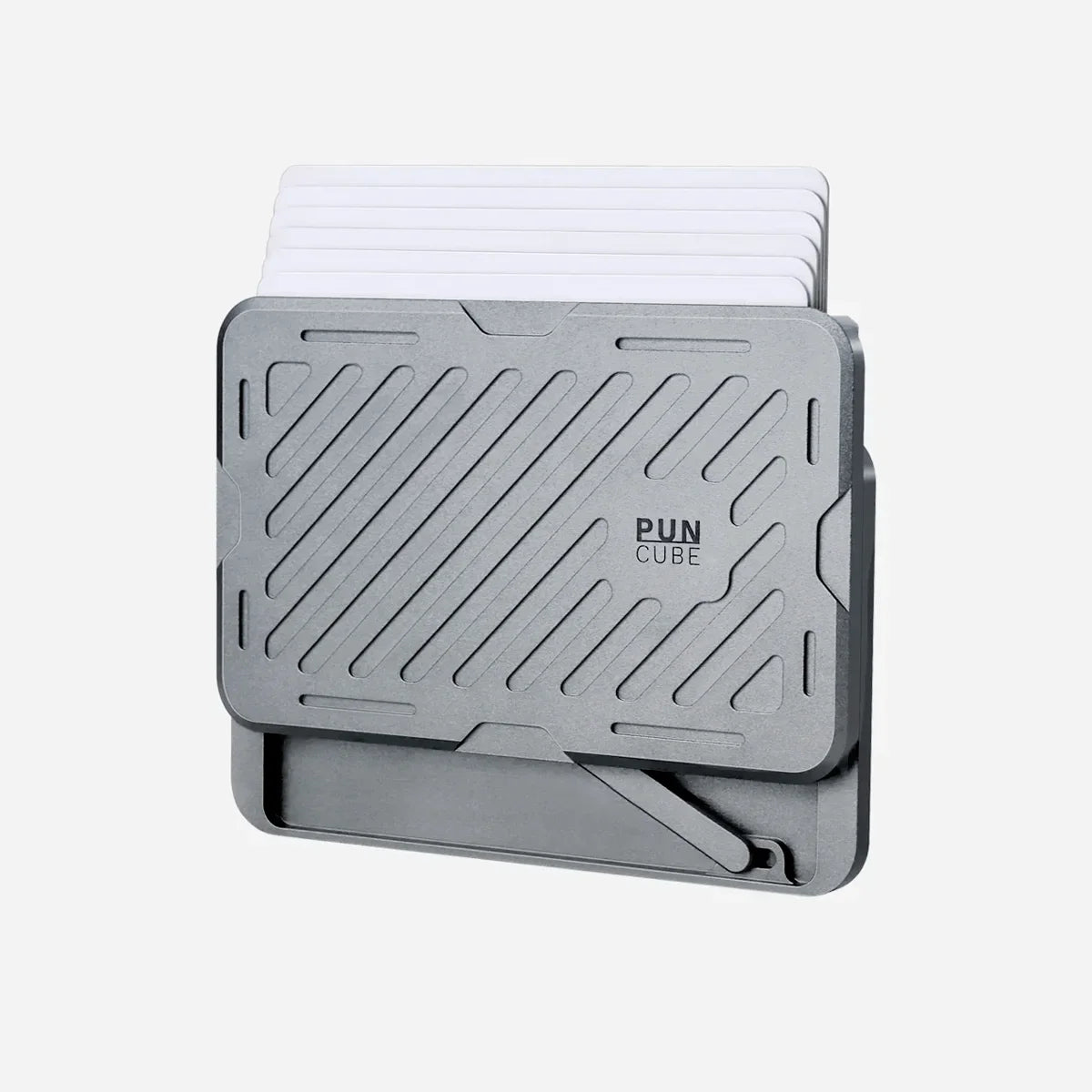
PunCube rates the aluminum Mech Wallet for up to six flat cards or five embossed cards. A five-card stack therefore sits one card below the flat-card limit. Five embossed cards reach the published limit because raised numbers and lettering add thickness between cards.
A driver’s license, two payment cards, a health insurance card, and an office badge may all share the same length and width. Their thickness and surface profiles can still differ. A sleeve or a thick metal card can change the loaded stack.
Count the cards, then check the action. The slide should move normally and the cards should form a clean fan. Remove the thickest or least-used card if the movement becomes noticeably harder. PunCube says its built-in damping block secures standard plastic and metal cards, while non-standard cards are not recommended.
For more detail on mixed stacks, see our guide to flat, embossed, and Bifold card capacity.
What the five-card setup feels like in a pocket
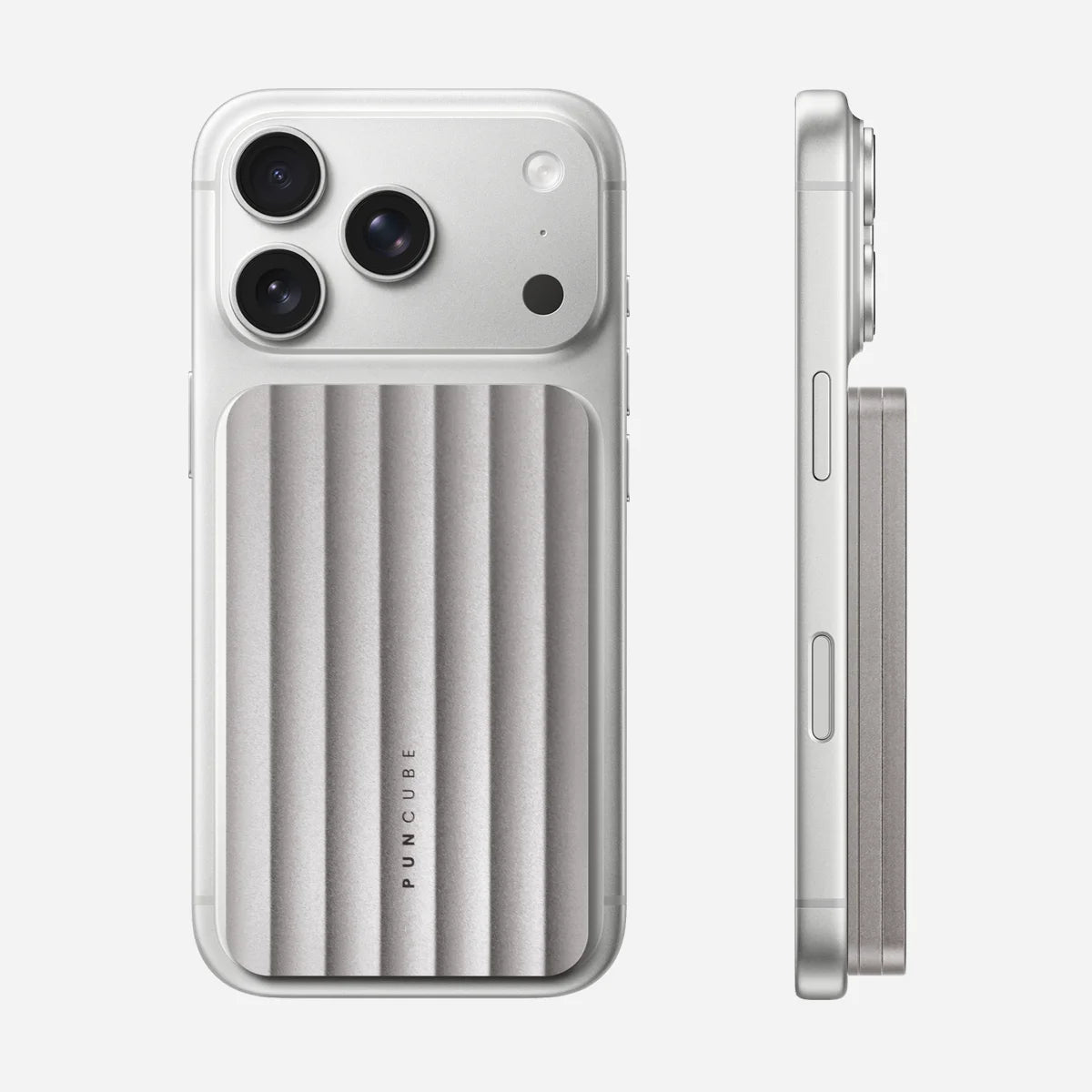
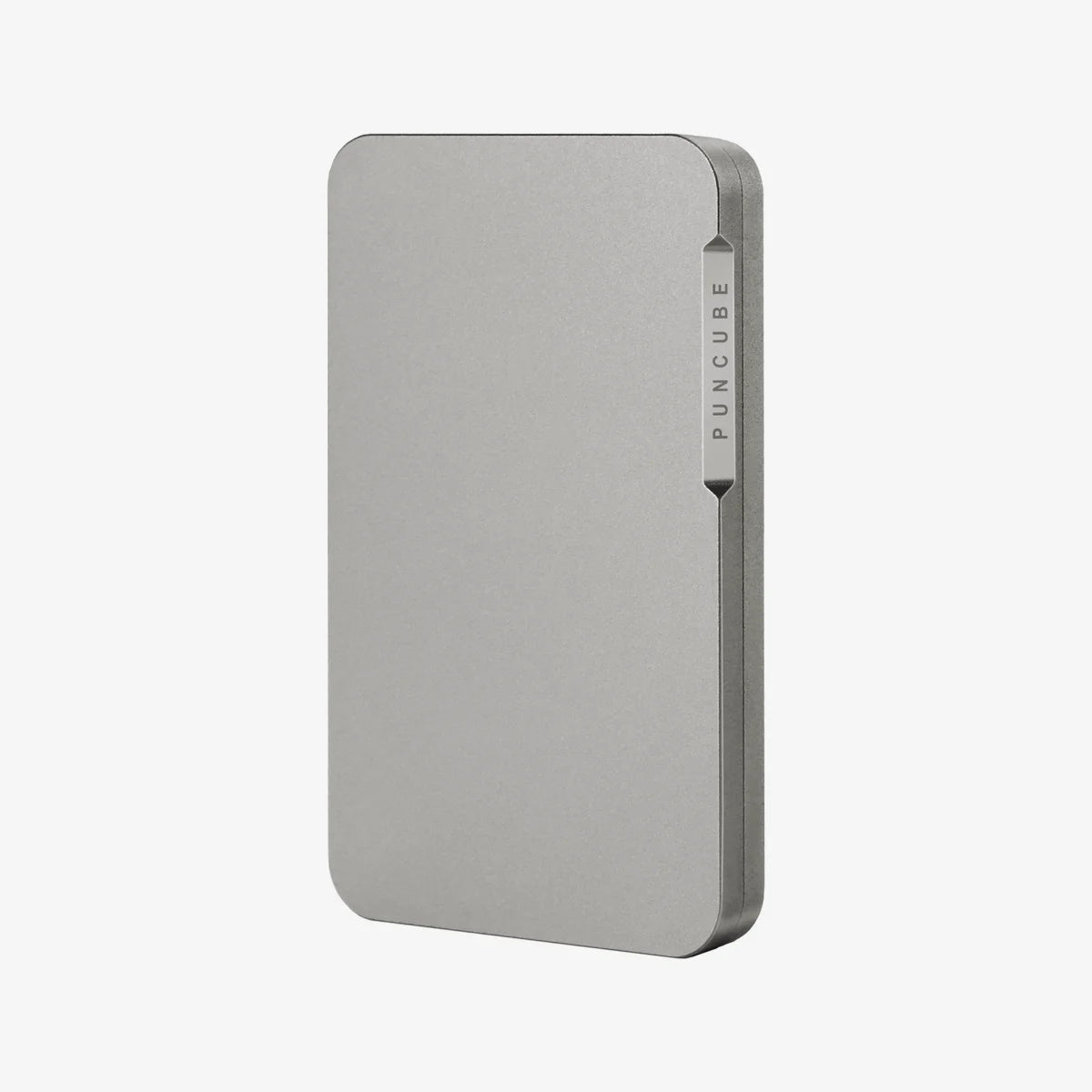
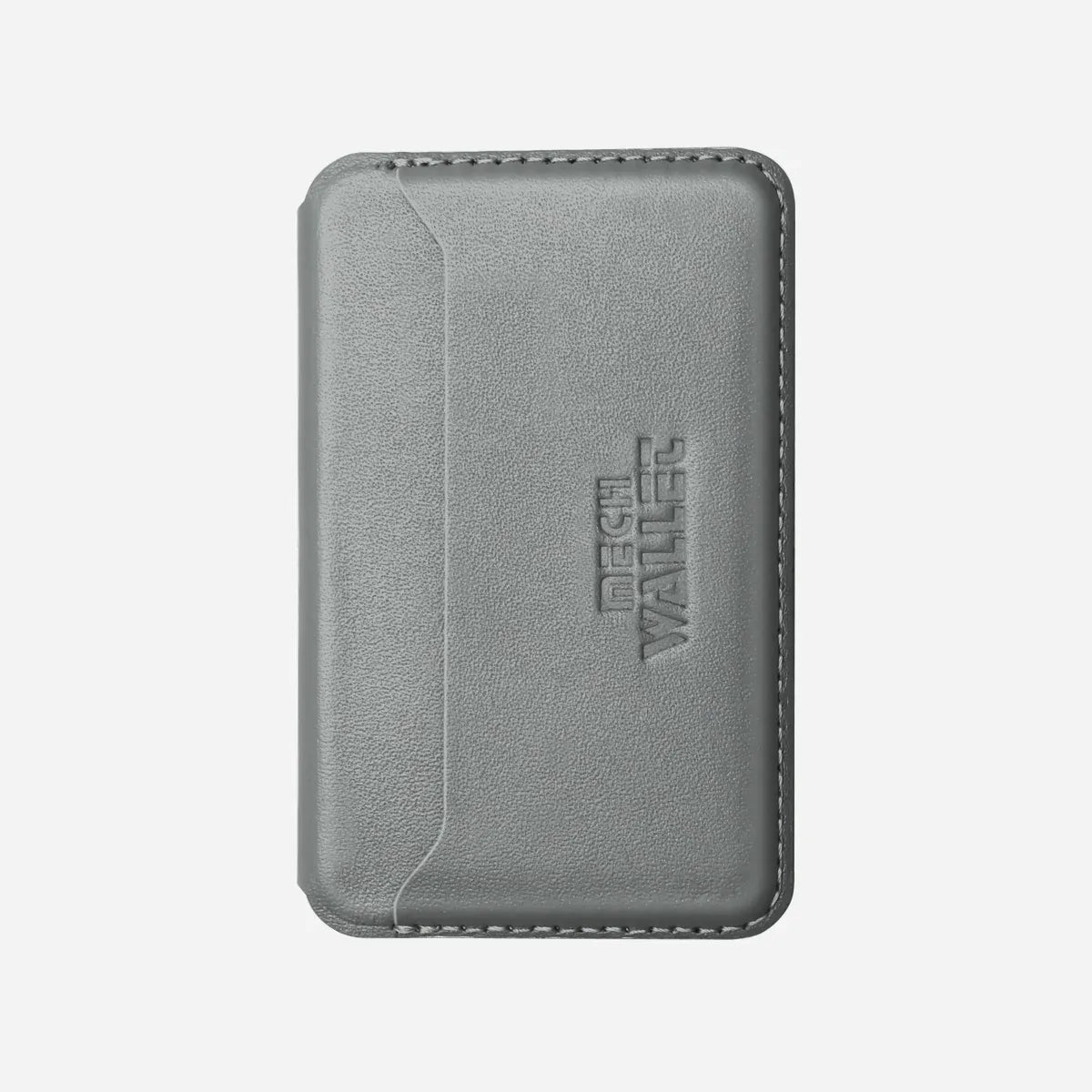
The standalone aluminum Mech Wallet measures 98 by 60 by 8 millimeters and weighs 53 grams before cards or accessories are added. Those figures describe the base wallet itself. They do not include five cards, the Money Clip, or another module.
The card stack sits inside the metal chamber without expanding the outer plates. This gives the wallet a fixed outer shape and keeps the card-access mechanism in the same position under your thumb.
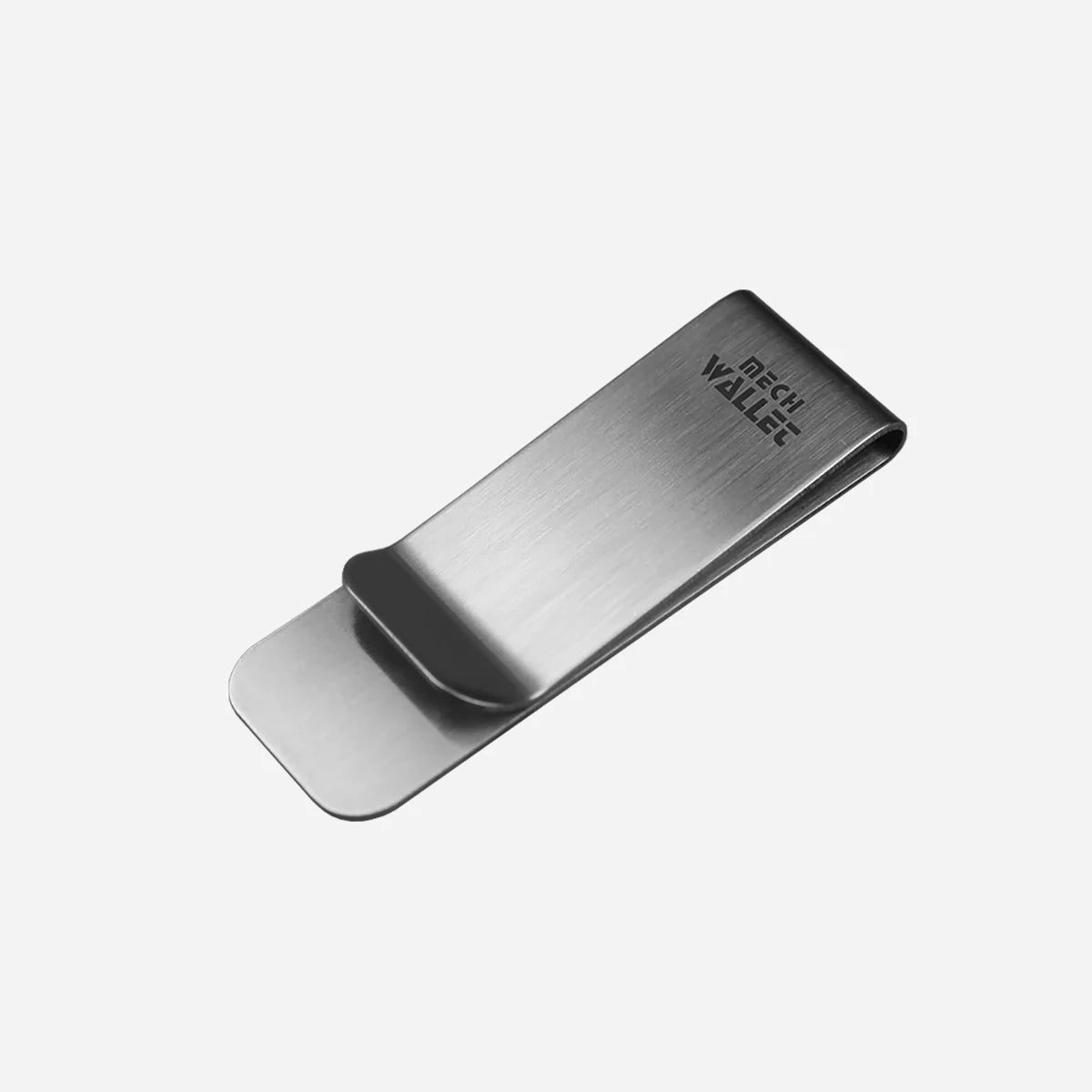
Cash goes on the included stainless steel Money Clip. A few folded bills can stay outside the card chamber without using one of the five card positions. Anyone who regularly carries many bills, coins, or receipts will probably want the Bifold configuration or a traditional wallet with more flexible storage.
How a five-card carry works through the day
Load the main chamber with the cards you use often. A five-card carry might include identification and two payment cards, followed by the other cards that genuinely need to travel every day. Arrange them in a consistent order so the same card appears in the same part of the fan.
Push the drive with one hand and the mechanism raises the stack into a staggered fan. Select the card, use it, and return it to the chamber. The access movement creates the tactile feedback that distinguishes the Mech Wallet from a plain metal cardholder.
The chosen drive changes how that movement feels. Wasteland gives a crisp Clicky response with a pinball-ratchet character. Horizon uses a clean Smooth slide. Ripple provides quieter magnetic feedback. All three use the same published card capacity, so drive choice can follow the sound and hand feel you prefer.
RFID blocking changes where an access card belongs
PunCube says the metal chamber fully blocks RFID and NFC signals. Payment cards inside the chamber receive that protection, and a transit pass or office badge inside it cannot be tapped through the wallet.
Someone who removes a badge before every scan may be comfortable keeping it in the five-card stack. Someone who wants to tap a reader without taking the card out should use an external quick-access slot. The Bifold Module provides such a slot and raises the complete wallet’s published capacity to nine cards.
This is a practical buying boundary. A five-card count alone points to the base Mech Wallet. A tap-through access card can justify Bifold even when the total remains five.
Does a five-card carry need the Bifold Module?
Most five-card carries do not need it. The base chamber already handles five flat cards and is rated for five embossed cards. Adding Bifold for spare capacity increases the empty configuration from 8 to 12 millimeters and from 53 to 65 grams.
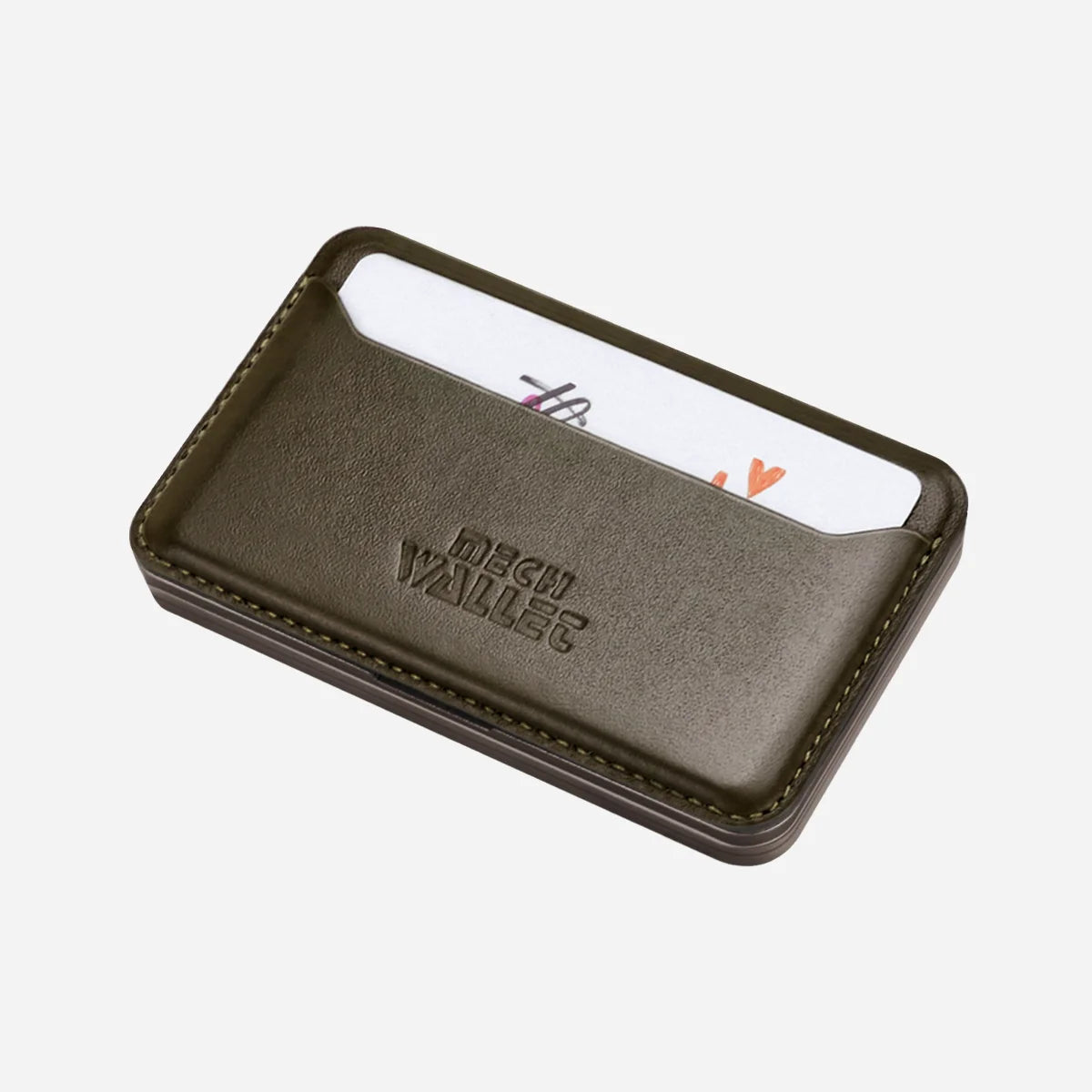
Bifold becomes useful when the wallet needs to carry seven to nine cards, more cash, or coins. Its external slot also gives an access card a place outside the RFID-blocking chamber. The complete Bifold Wallet is rated for up to nine cards in total. Nine is the whole configuration’s limit and does not mean nine extra cards on top of the Mech Wallet.
A buyer with five cards and a few folded bills can keep the lighter base setup. A buyer with five cards, regular cash, and a transit pass that must stay ready for scanning has a stronger reason to choose Bifold.
When PunCube earns its place
PunCube makes the strongest case when the five-card count remains steady and the owner cares about the act of reaching a card. The side-slide fan gives those five cards a visible order, and the three drive styles let the buyer choose audible, smooth, or quieter feedback.
At the displayed $69 sale price, the value is clearest for someone who specifically wants the mechanical fan and a choice of three drive feels. At the $99 regular price, compare the interaction and warranty with other metal wallets before deciding. A plain sleeve can hold five cards for less money and with fewer moving parts. PunCube adds a CNC-machined 6063 aluminum body, RFID blocking, the mechanical fan, and a Money Clip in the box.
The current 100-day return period gives a buyer time to see whether the mechanism and pocket feel work in daily use. PunCube also lists a five-year warranty. The full return and warranty terms should be checked before ordering, especially when buying outside the United States.
When another wallet will fit better
Choose a larger or more flexible structure when the card count changes often. The current Ridge Wallet uses an elastic plate system rated for one to twelve cards. That range makes sense for someone who carries five cards during the week and regularly adds several more for travel or work.
Ekster takes another approach. Its standard Cardholder separates the quick-access ejector from storage under the backplate and advertises room for up to twelve cards and bills. That divided layout can suit someone who wants five primary cards in the ejector and secondary cards elsewhere.
PunCube can reach nine cards with Bifold, while keeping its mechanical side-slide action. Ridge favors one expandable stack. Ekster divides primary and secondary storage. Our four-wallet comparison examines those differences in more detail.
Traditional leather bifolds still make sense for people who carry many bills, paper receipts, and several cards that do not need instant access. A mechanical wallet should solve the carry you have. It should not force every item into a compact format.
A simple five-card buying test
Lay the five cards on a table. Check which ones are embossed or unusually thick. Then identify any card that must be tapped while it stays in the wallet.
The base Mech Wallet is a good match when all five fit the standard profile, can be removed for use, and the card count rarely grows. Light cash can stay on the included Money Clip. Choose Wasteland, Horizon, or Ripple after listening to the original sound and deciding how much feedback suits the places where the wallet will be used.
Look at Bifold when cash or a tap-ready card needs its own space. Look at Ridge or Ekster when the stack regularly climbs beyond PunCube’s nine-card maximum or changes enough that a fixed mechanical chamber feels restrictive.
Frequently asked questions
Is five cards too many for the PunCube Mech Wallet?
Five standard cards are within the published capacity. The base wallet holds up to six flat cards or five embossed cards. Card sleeves and unusual thickness can reduce the practical fit.
Is five cards too few for the mechanism to work?
PunCube rates the wallet for up to six cards and says its damping block secures standard plastic and metal cards. Five cards fall within that range. The current product page does not publish a minimum card count.
Should I buy the Bifold Module for five cards?
The base wallet is enough for most five-card carries. Bifold becomes useful when you need added cash storage, coins, or an external quick-access slot. It also leaves room for the card count to grow toward nine.
Can I keep a transit card in the five-card stack?
You can carry it there, though it must be removed before scanning because the metal chamber blocks RFID and NFC signals. The Bifold quick-access slot is the better location when the card needs to be tapped through the wallet.
Is PunCube worth buying if I do not care about fidget feedback?
The wallet still provides a compact metal body, RFID blocking, and a one-handed card fan. Its strongest distinction is the tactile access mechanism. A simpler cardholder may offer better value when that interaction has little appeal.
Which PunCube drive works best for everyday use?
Wasteland suits someone who wants a distinct click. Horizon favors a smooth mechanical slide. Ripple keeps the sound lower with subtle magnetic feedback. Capacity stays the same across all three.
Explore the PunCube Mech Wallet and compare the current Clicky, Smooth, and Quiet drive styles before choosing one for your five-card carry.

Leave a comment
This site is protected by hCaptcha and the hCaptcha Privacy Policy and Terms of Service apply.