

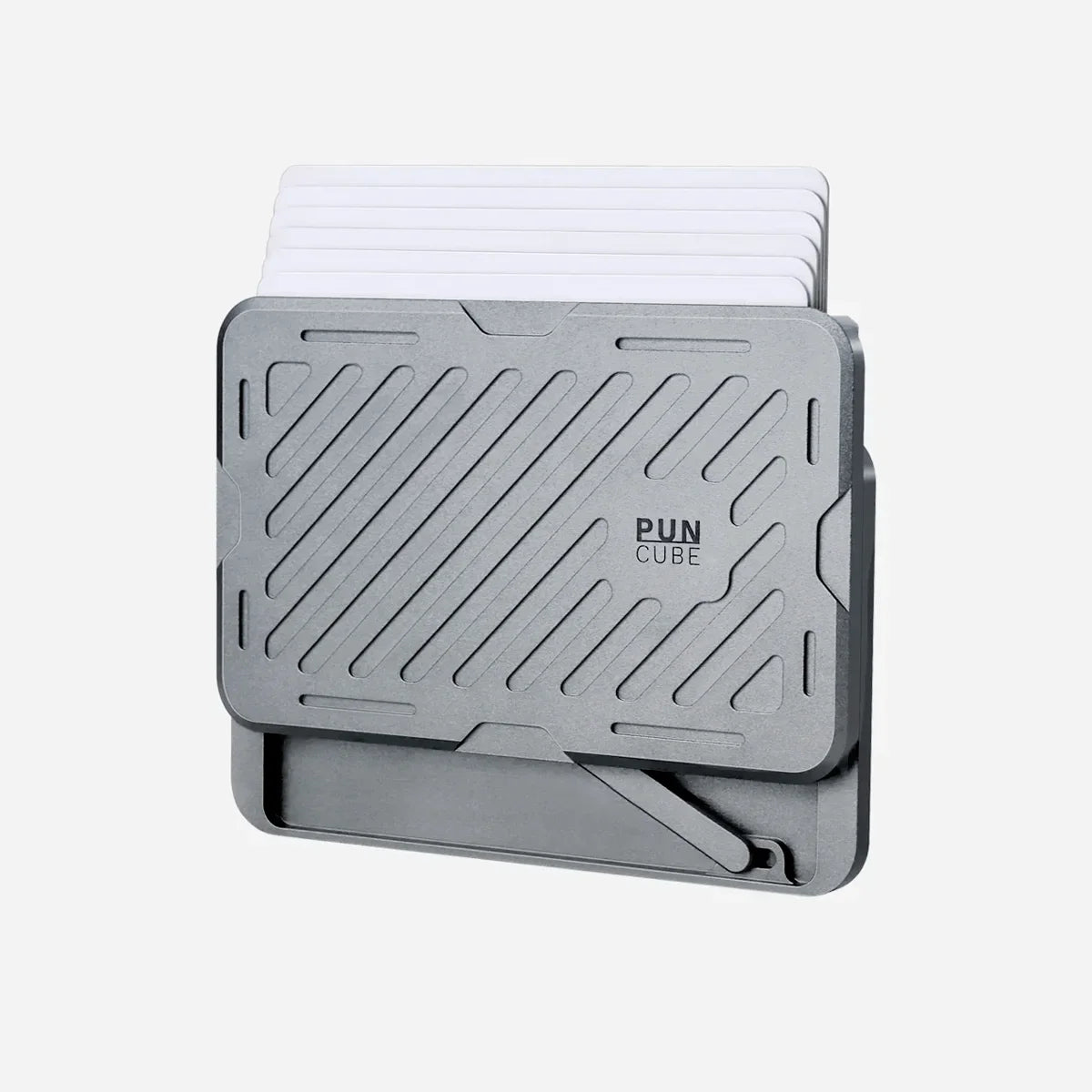
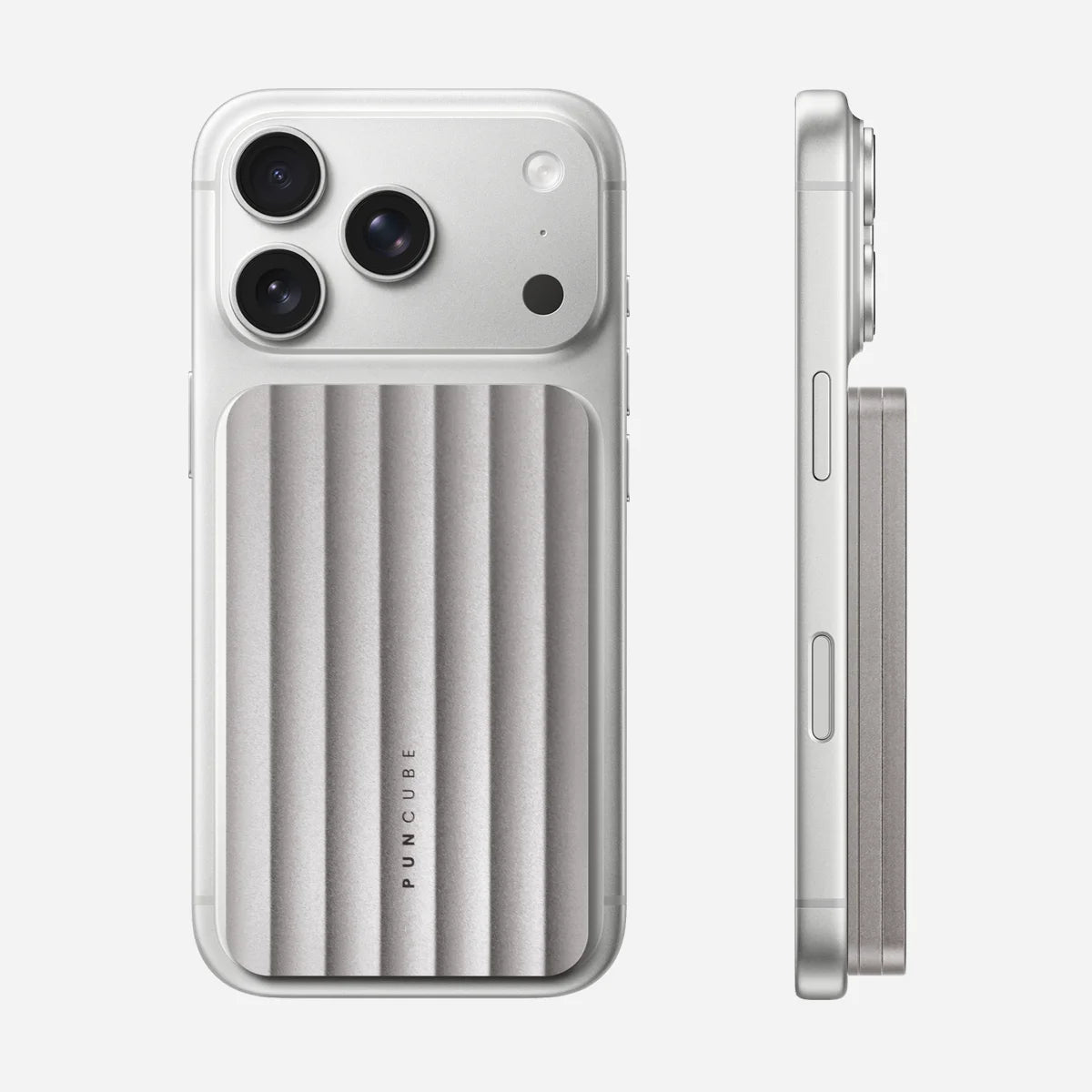
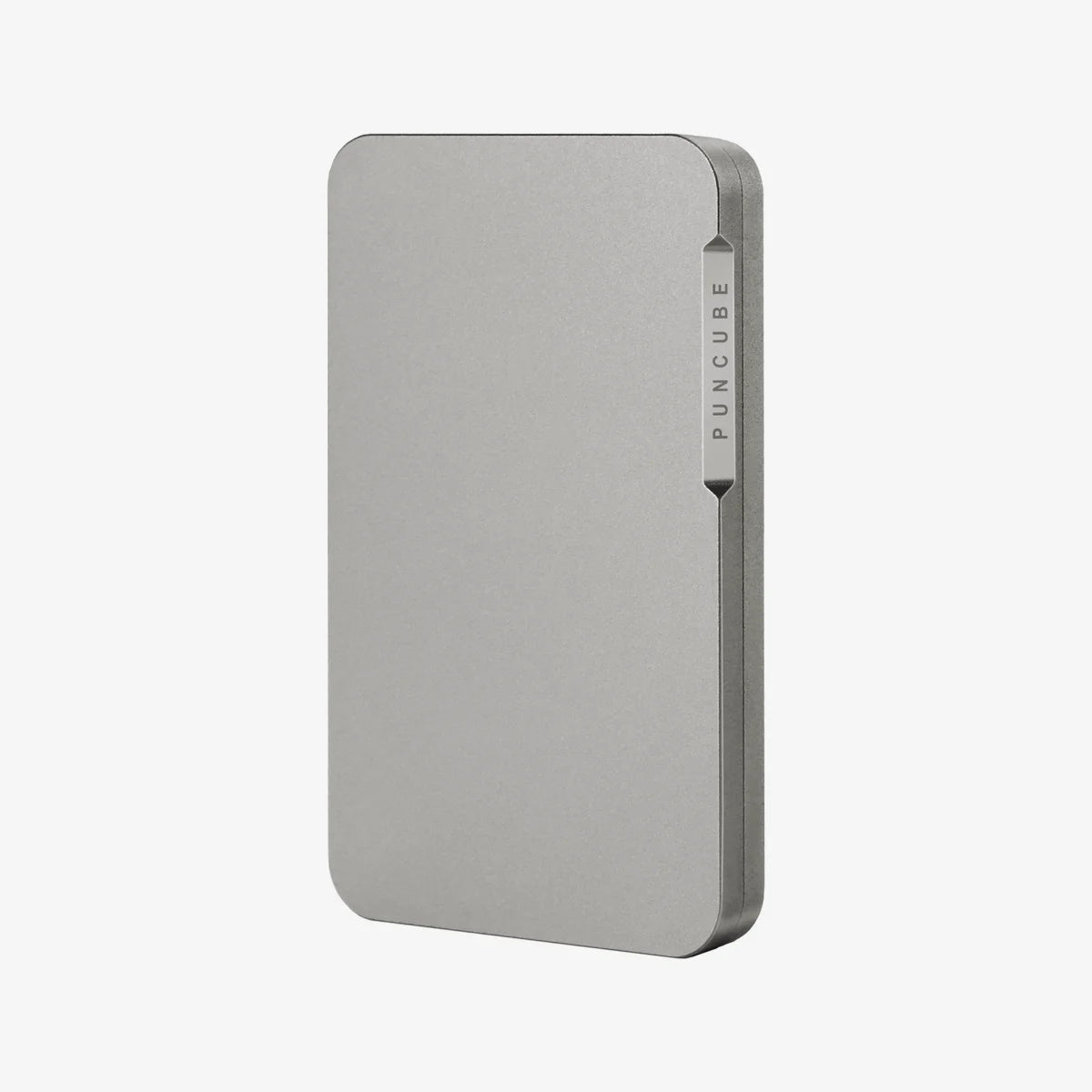
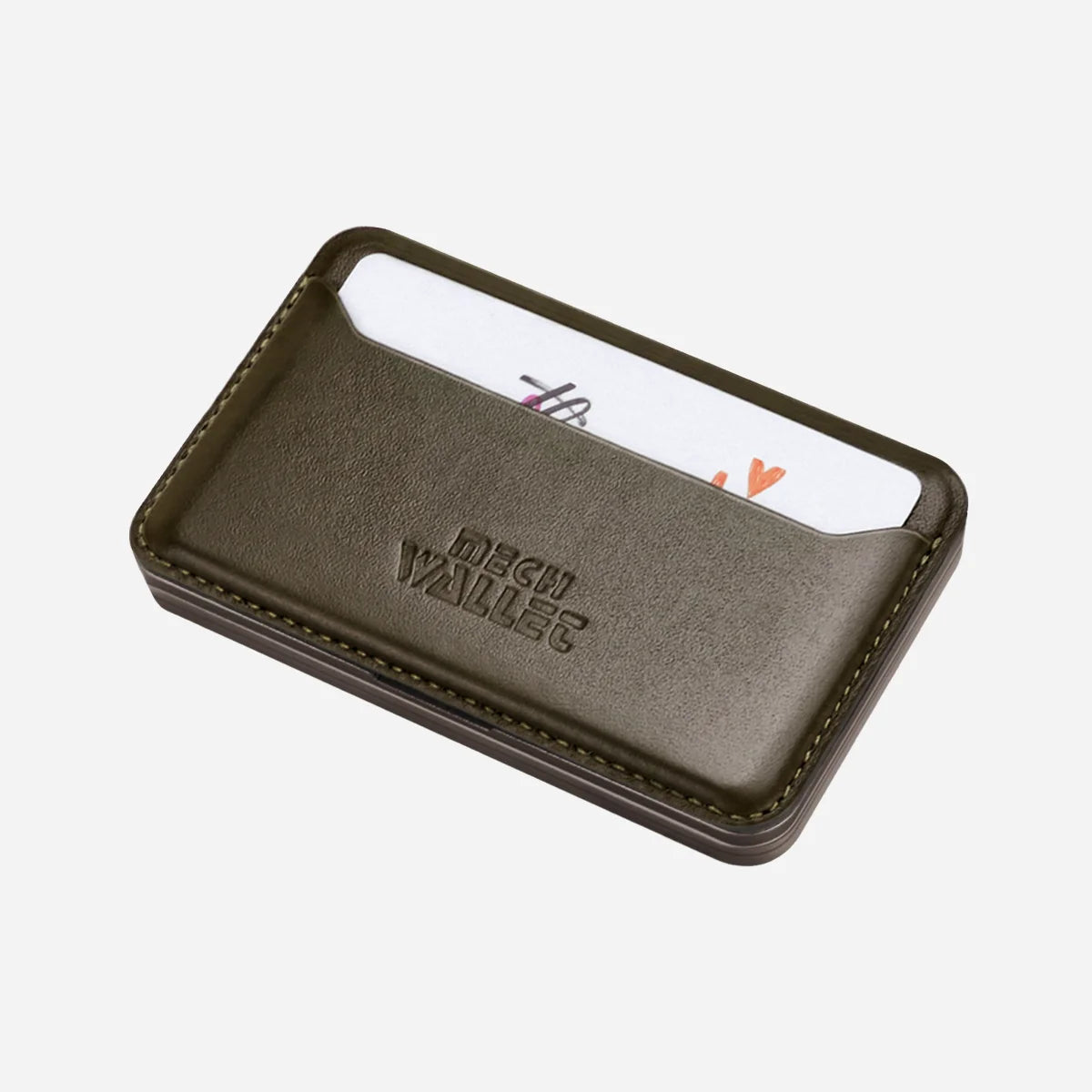
Choose a mechanical fidget wallet when you want the card-access action itself to feel satisfying. A pop-up wallet suits a buyer who puts quick card presentation first. The spinner wallet has a different appeal, giving the hand a rotating action while the cards stay put.
Those answers describe the clearest version of each design. Real products can overlap. A mechanical fidget wallet may reveal cards in a staggered fan, much like a pop-up wallet. A spinner wallet may also include a separate card-ejection feature. The useful question is what your thumb does and what happens to the cards when you do it.
Retailers use these labels without a shared technical standard. A review of current product descriptions from PunCube, Ekster, Secrid, and a built-in spinner cardholder shows the same pattern. Each label describes a different part of the handling experience.
|
Wallet type |
Main hand action |
What happens to the cards |
Best fit |
|---|---|---|---|
|
Mechanical fidget wallet |
Push or slide a tactile drive |
Cards move into reach while the drive provides feedback |
People who want card access and fidget interaction in one action |
|
Pop-up wallet |
Press a trigger or move a lever |
Cards rise in a staggered stack |
People who put fast card selection first |
|
Spinner wallet |
Rotate an integrated spinner |
Cards usually remain stored during the spin |
People who want to fidget without deploying their cards |
The labels describe different parts of the experience
Pop-up wallet mainly describes access. Ekster describes the category as a compact wallet that raises cards in a staggered formation when the user presses a button or lever. Secrid uses a patented mechanism that slides cards out in one motion. The designs differ, though both are sold around quick access and an easy view of the card stack.
Spinner wallet describes a separate motion. Products in this group place a rotating component in the cardholder. The spinner can be used on its own, so the fidget action continues without raising or rearranging the cards.
The mechanical fidget label reaches across access and feel. The working mechanism provides deliberate feedback while it moves the cards. A clicky ratchet, a clean slide, and a magnetic response can all fit this description.
This distinction explains why one wallet can fit more than one label. PunCube presents cards in a cascading stack, giving it the useful outcome people expect from fast-access and pop-up designs. Its mechanical fidget identity comes from the tactile drive used to create that reveal.
How a mechanical fidget wallet works
A mechanical fidget wallet connects the enjoyable motion to an ordinary wallet task. Your thumb moves the drive, the mechanism responds, and the cards come into reach. Each use gives the hand a repeatable sequence with a practical finish.
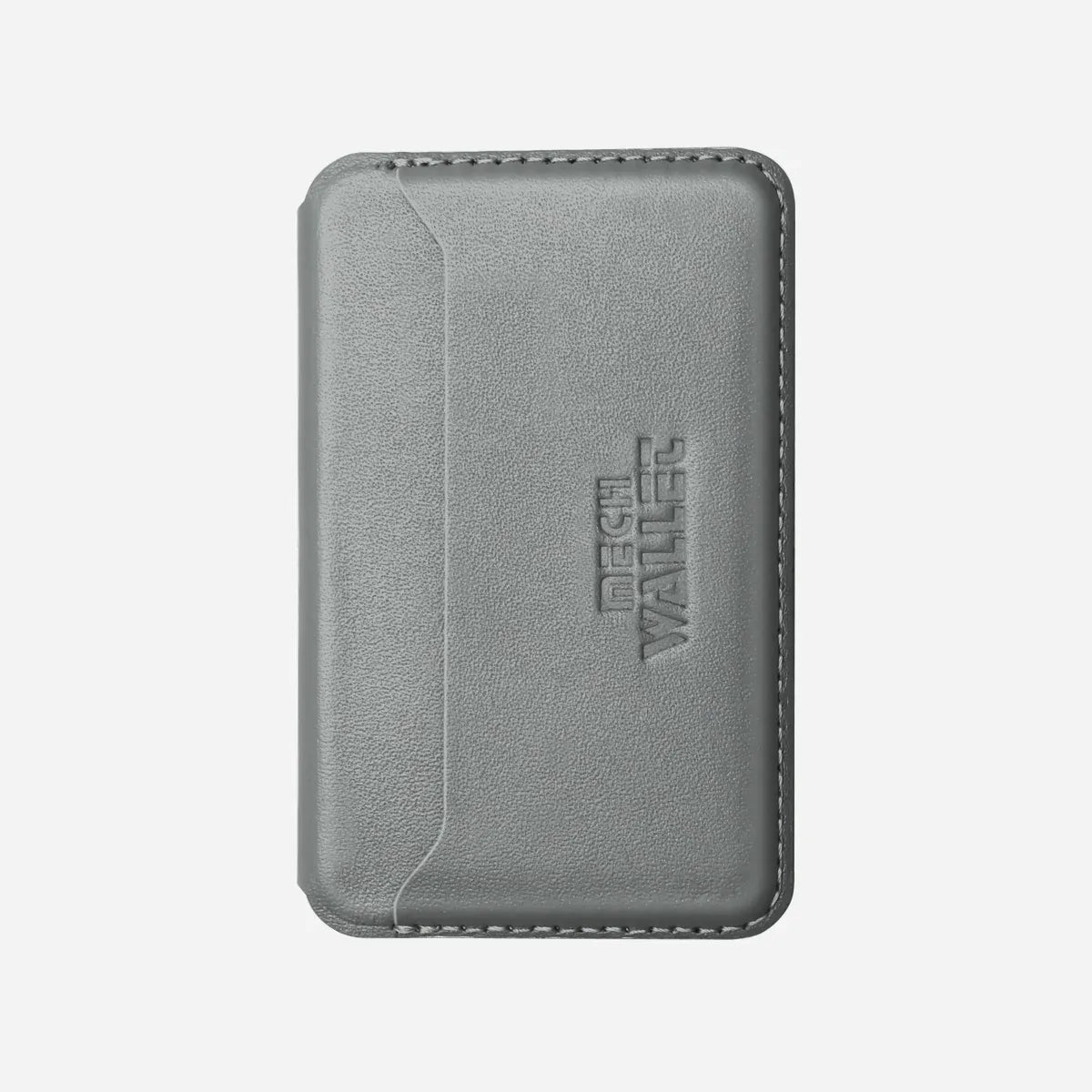
The PunCube Mech Wallet offers three versions of that sequence. Wasteland is Clicky and bold, with a crisp pinball feel. Horizon is Smooth and uses a clean sliding feel. Ripple is Quiet and gives subtle magnetic feedback. All three access cards in the same way while changing what the thumb and ear notice.
Tactile interest can come from distinct mechanical steps, continuous movement, or a controlled magnetic response. The setting decides which version feels natural. An audible ratchet may suit a home desk or an EDC collection. A restrained mechanism is easier to place in shared rooms.
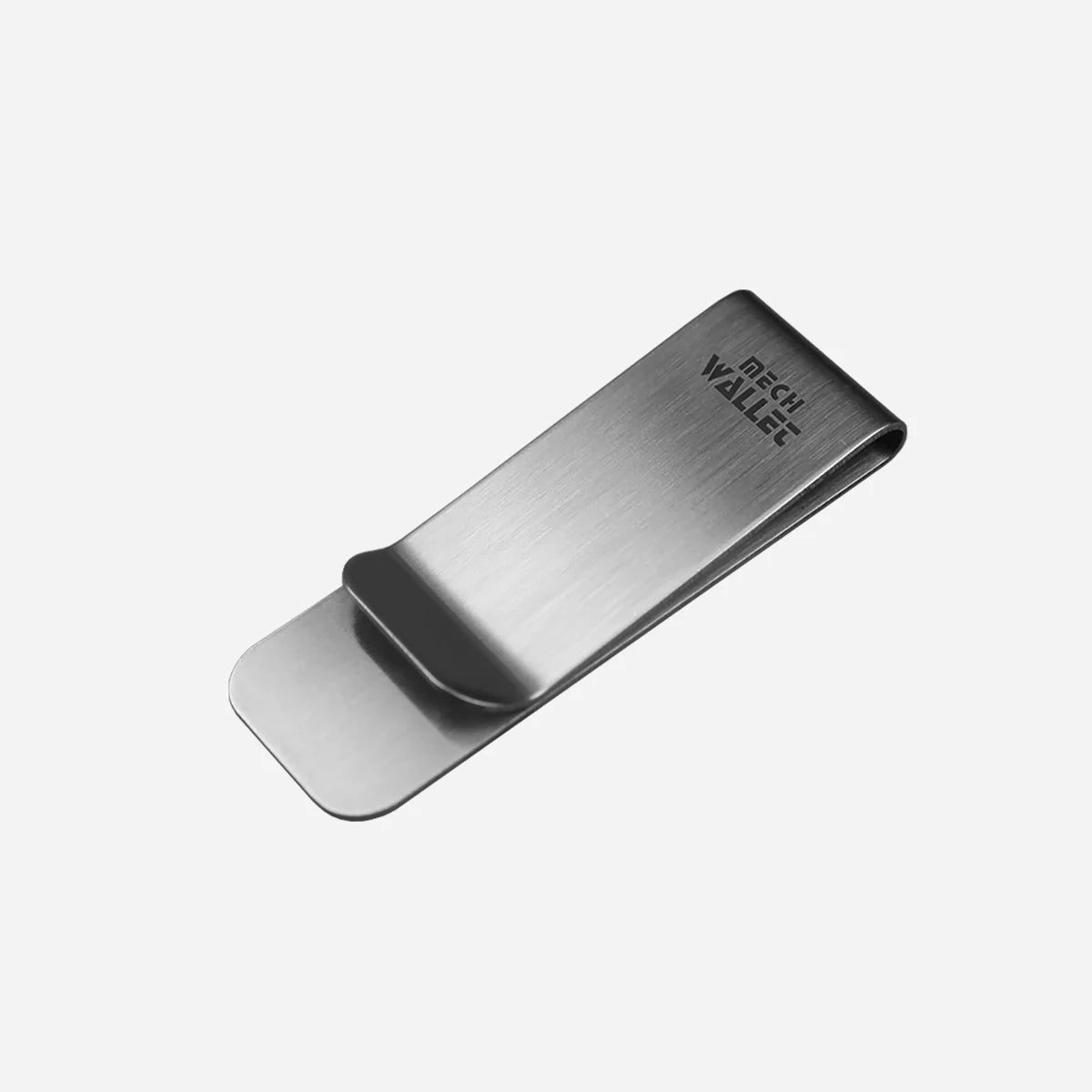
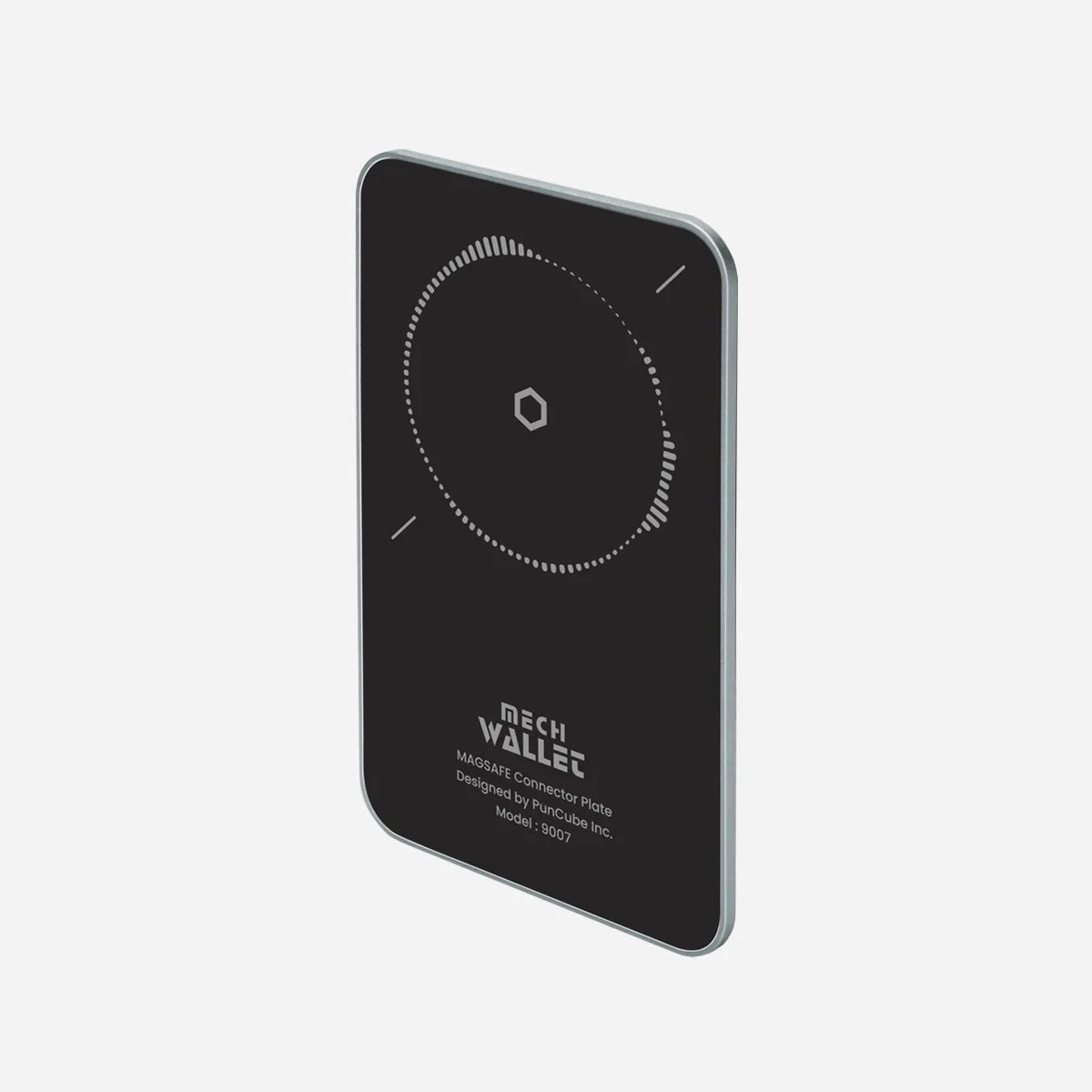
PunCube lists the standalone aluminum Mech Wallet at 98 by 60 by 8 millimeters and 53 grams before accessories. It holds up to six flat cards or five embossed cards, with capacity reaching nine cards when the Bifold Module is added. RFID blocking and a money clip are included.
The integrated design has one clear tradeoff. Operating the fidget mechanism also operates the wallet. People who want to spin or play while every card remains fully stored may prefer a dedicated spinner.
How a pop-up wallet works
A pop-up wallet stores a card stack inside a rigid compartment. A trigger, button, or lever moves the cards upward, often at different heights, so one card can be selected quickly.
Fast presentation is the main attraction. Ekster calls its products trigger-action pop-up wallets and says the quick-access slot can fan cards out at the push of a button. Secrid describes one-motion access through its Cardprotector mechanism. These examples also show why capacity must be checked by product. The protected inner compartment and any outer card slots, backplates, or leather sections may have separate limits.
The trigger can still feel satisfying. It gives the thumb a defined action and produces a visible result. Pop-up products vary in their tactile character. Some mechanisms give a short click, some feel smooth, and others put nearly all of their design effort into reliable deployment.
A conventional pop-up wallet fits buyers who want a quick payment routine and a clear overview of their cards. It also suits someone who enjoys a compact mechanism but has little interest in repeatedly operating it away from checkout.
How a spinner wallet works
A spinner wallet adds a rotor that can turn while the wallet stays closed. Some designs use a central bearing and let the cardholder body become the grip. The result feels closer to a compact fidget spinner that also carries cards.
The BNDT Slinger shows this arrangement clearly. Its product page lists a built-in ceramic-bearing spinner alongside a separate quick card-ejection mechanism. One action spins. Another action accesses the cards.
That separation is the spinner wallet’s defining advantage. You can keep the cards stored and still use the fidget feature. The rotation may also last beyond the initial finger movement, while a pop-up trigger ends once the cards have risen.
The extra moving component deserves inspection before buying. Look at the complete wallet thickness, the location of the spinner, how the cards are retained, and whether the rotating section is comfortable in your preferred grip. Product pages use spinner wallet loosely, and construction varies widely.
Sound also varies. A bearing can produce a restrained rotation or an audible mechanical note depending on its design, condition, speed, and surroundings. Videos are useful for learning the character of the motion. They cannot provide a reliable loudness comparison unless microphone distance and recording conditions stay consistent.
Which wallet gives the best card access
Mechanical fidget wallets and pop-up wallets both place card movement near the center of the design. A single thumb action can bring the stack into reach. The difference appears in the feedback and in the reason the mechanism was shaped that way.
A pop-up wallet usually keeps the interaction brief. Press, choose a card, and continue. A mechanical fidget wallet gives more attention to the path of the push or slide. PunCube uses different drive styles so buyers can choose the feedback along that path.
A spinner affects the fidget action on its own. Quick deployment requires a separate card-access mechanism, as the Slinger example shows. Check each product for the actual card-removal method because the spinner may perform only one job.
Which wallet is best for fidgeting
The answer depends on when you want to fidget.
A mechanical fidget wallet fits short, purposeful interaction. The same motion reveals the cards and gives tactile feedback. Wasteland makes that action audible. Horizon changes it to a smooth slide, while Ripple uses a restrained magnetic response.
A spinner wallet fits longer, independent play. The cards can remain stored while the rotor turns. That makes the spinner easier to use at a desk, though the appearance and sound of the motion may still attract attention.
A pop-up wallet offers the shortest interaction of the three. The trigger may be enjoyable, yet its clearest purpose is deployment. Buyers who care mainly about speed may find that entirely sufficient.
Fidget describes the physical interaction here. It does not establish a medical benefit or support claims about treating anxiety, ADHD, or problems with concentration.
What to check before choosing
Start with the cards you actually carry. Check the capacity of the protected compartment separately from external slots and modules. Flat and embossed cards may also produce different capacity limits.
Then use the wallet in your most common setting. An audible mechanism can be enjoyable and recognizable. A quiet office or classroom may favor smooth or magnetic feedback. A spinner gives you an independent motion, though visible spinning may be more noticeable than a brief card reveal.
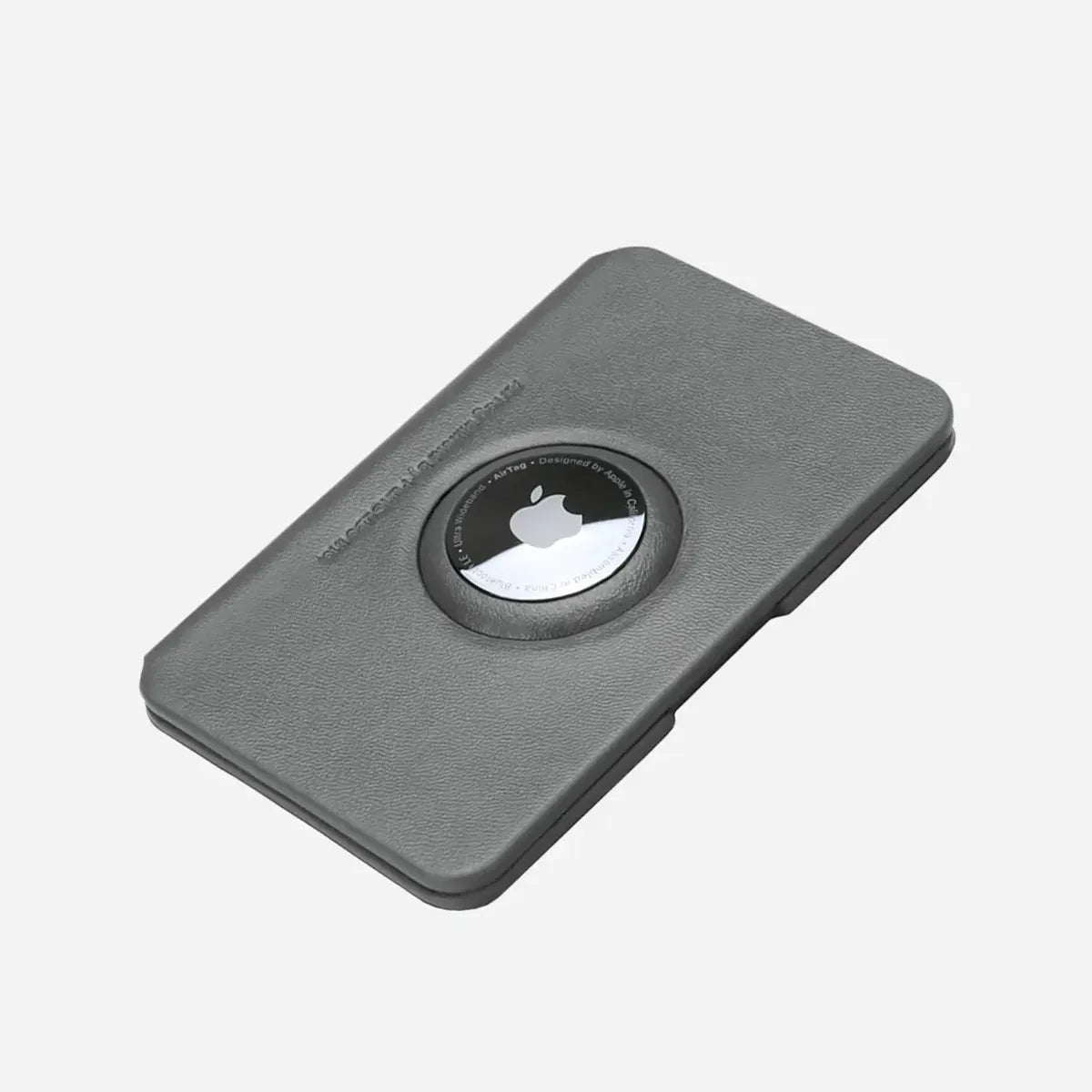
Measure the complete carry setup. Base-wallet specifications often exclude modules, cash hardware, trackers, and the cards themselves. Compare the finished configuration that will enter your pocket.
Finally, inspect retention, warranty coverage, and the way the mechanism is serviced. Every category discussed here contains moving parts. A satisfying first push matters. Secure cards and reliable daily use matter every time after that.
Frequently asked questions
Is a mechanical fidget wallet a pop-up wallet?
The categories can overlap. A mechanical fidget wallet may raise cards in a staggered stack, giving it the same practical outcome as a pop-up wallet. The mechanical fidget label adds another detail. Tactile feedback is intentionally built into the card-access action.
Is a pop-up wallet the same as a spinner wallet?
No. A pop-up mechanism moves cards into reach. A spinner creates a rotating action. Some wallets include both features, so the product may fit both descriptions.
Can you fidget with a wallet without removing the cards?
A spinner wallet is designed for that use because its rotating component works while the cards remain stored. A mechanical fidget wallet usually moves the card stack when its main drive is operated.
Which PunCube Mech Wallet is the most clicky?
Wasteland is the Clicky drive style and has a crisp pinball feel. Horizon is the Smooth option. Ripple is the Quiet version with subtle magnetic feedback.
How many cards does the PunCube Mech Wallet hold?
The standalone Mech Wallet holds up to six flat cards or five embossed cards. Capacity can reach nine cards with the Bifold Module.
Choose the motion you want to carry
PunCube fits the buyer who wants card access and tactile feedback in the same thumb movement. Wasteland, Horizon, and Ripple keep that integrated idea while changing the click, slide, or magnetic feel.
Explore the PunCube Mech Wallet and compare its Clicky, Smooth, and Quiet drive styles. For a closer look at the category, read What Is a Mechanical Fidget Wallet?.

Leave a comment
This site is protected by hCaptcha and the hCaptcha Privacy Policy and Terms of Service apply.