

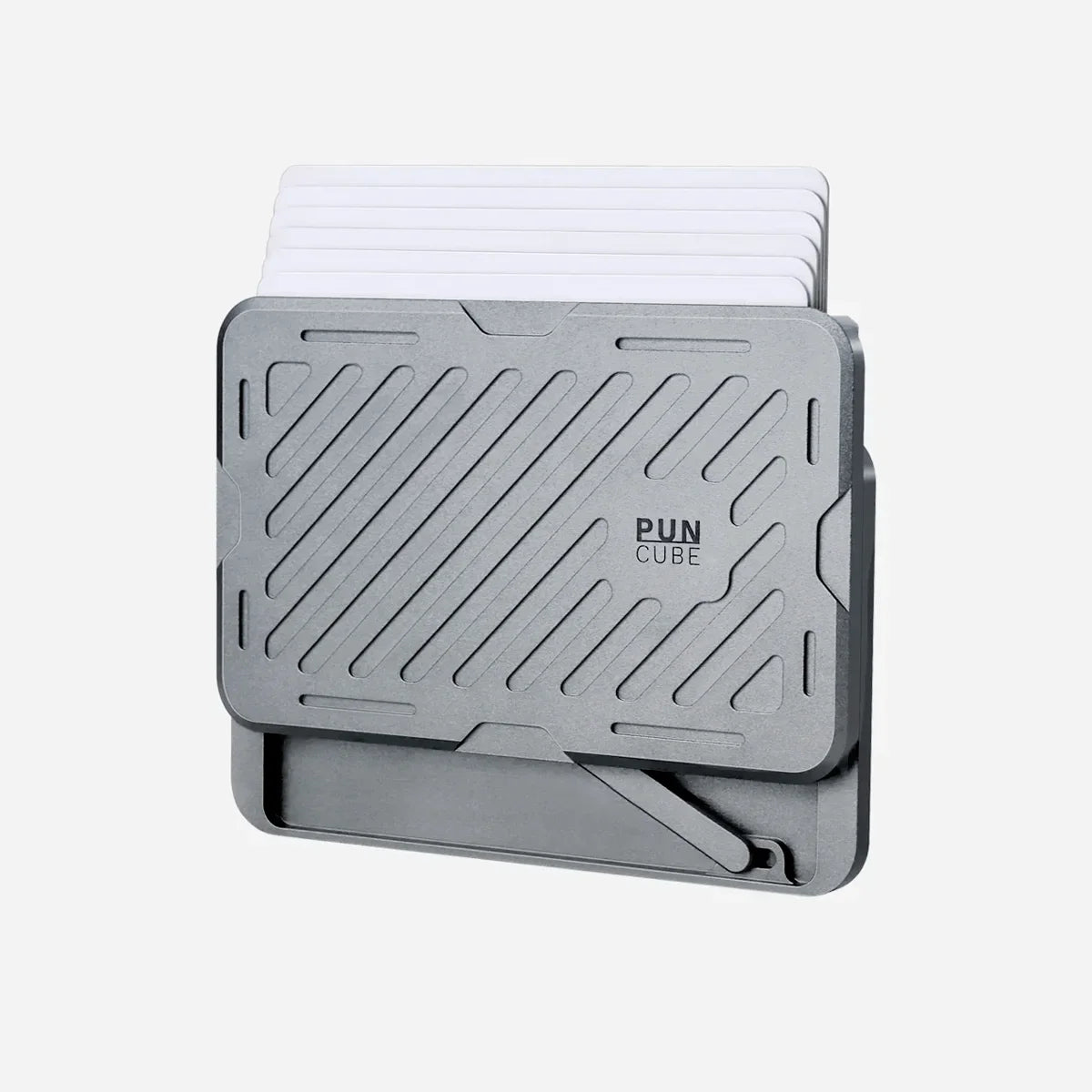
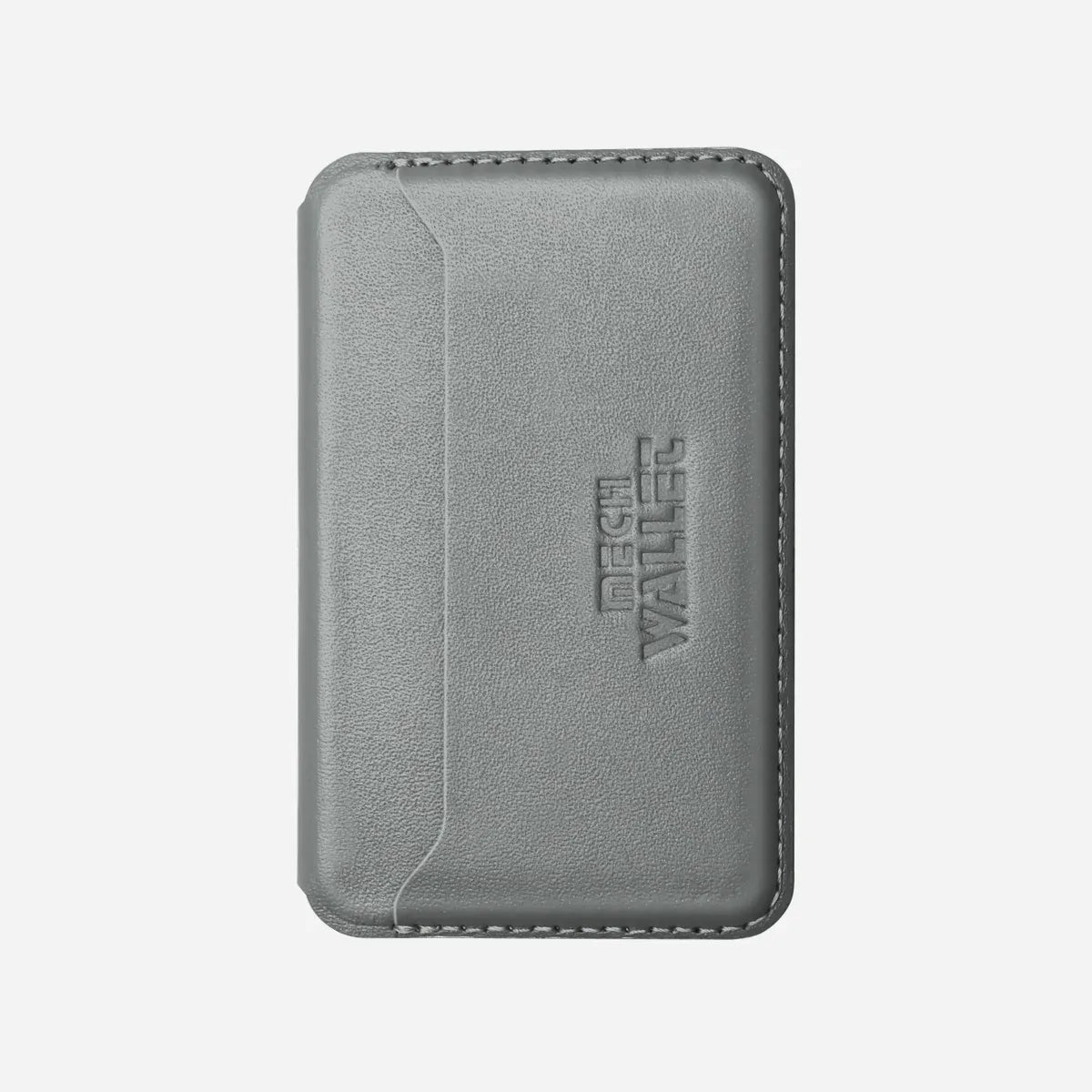
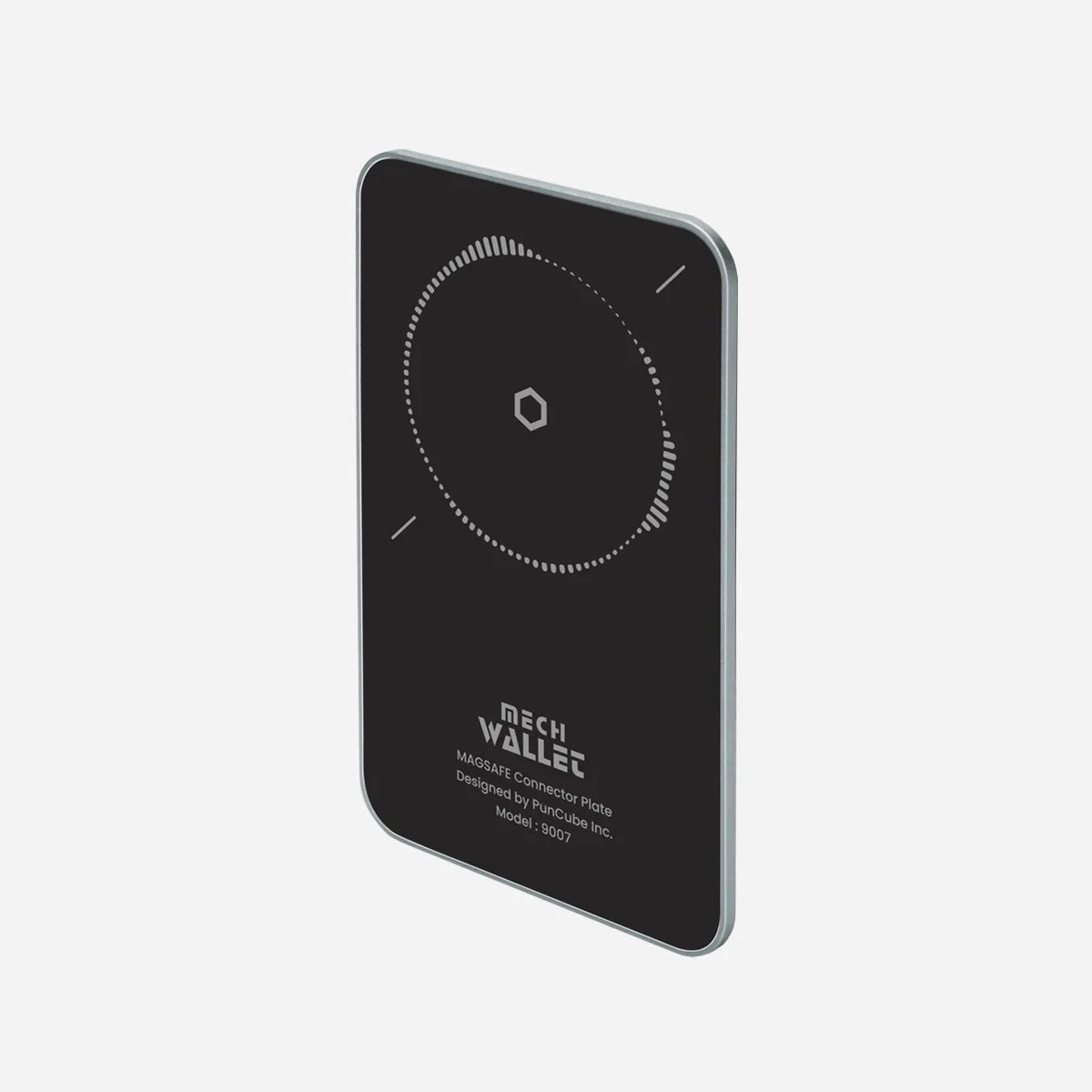
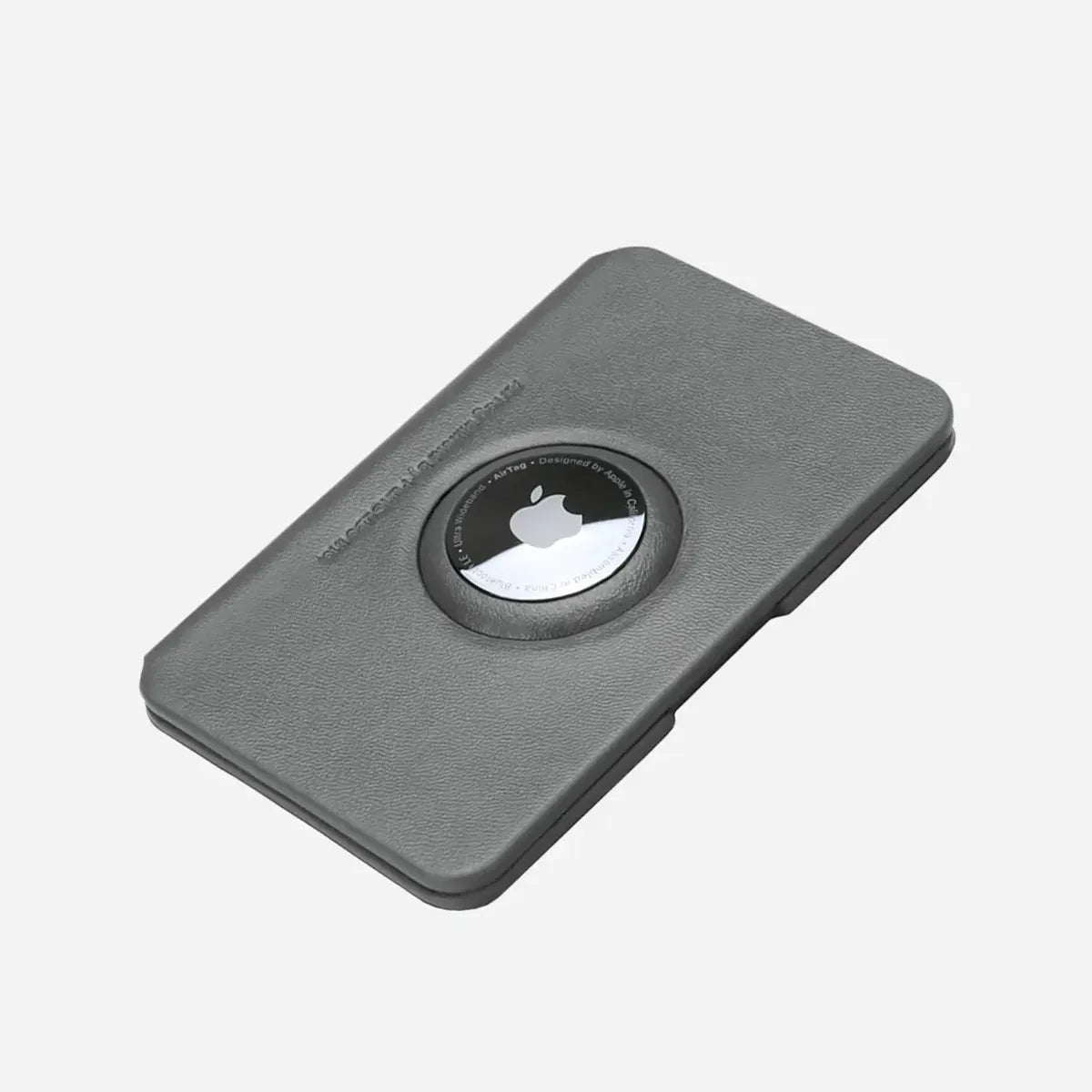
The PunCube Wasteland clicks because its card-access drive uses a mechanical ratchet system. As your thumb moves the drive, the mechanism passes through a sequence of engagement points. Each release produces a small pulse you can feel, followed by the crisp sound that gives Wasteland its pinball character.
The cards move during the same action. Push the drive, feel the steps, and the stack comes into reach. The sound belongs to the wallet’s working mechanism, which is why Wasteland feels different from a wallet with a separate fidget piece attached.
PunCube currently describes Wasteland as “Clicky and bold, with a crisp pinball feel.” The phrase pinball-ratchet joins that public feel description with the mechanical ratchet system used in the drive. In this article, the term describes the experience. PunCube has not published it as the formal name of a patented subassembly.
The click begins under your thumb
A smooth slider lets the thumb travel through one continuous motion. Wasteland divides that travel into distinct mechanical steps.
Your thumb supplies the force. The drive transfers it through the card-reveal mechanism. As the ratchet progresses, resistance builds and releases in short intervals. Those releases reach your thumb as tactile pulses and the metal wallet body as vibration. The vibration becomes the sound you hear.
PunCube has not published the full internal geometry of the current drive on its product page. That leaves details such as the exact spring, tooth, or contact arrangement outside the public record. The observable result is clear. Wasteland produces repeated steps during a single card-reveal action, and those steps create its defined click pattern.
This is why the sound follows the motion so closely. A slow push spaces the clicks out. A quicker push brings them closer together. The rhythm comes from the speed of your thumb passing through the engagement sequence.
Why it feels like a pinball mechanism
Pinball controls are memorable because they answer pressure quickly. A finger applies force, a mechanism releases, and the machine responds with a sharp physical event. Wasteland borrows that kind of feel in a much smaller object.
The comparison refers to the response under your thumb. Wasteland creates the pinball-like impression through crisp resistance changes and immediate feedback in a wallet-sized mechanism.
That feedback makes the action easy to read without looking closely. You know when the mechanism has moved because you feel each step. The sound confirms the same event a fraction of a second later.
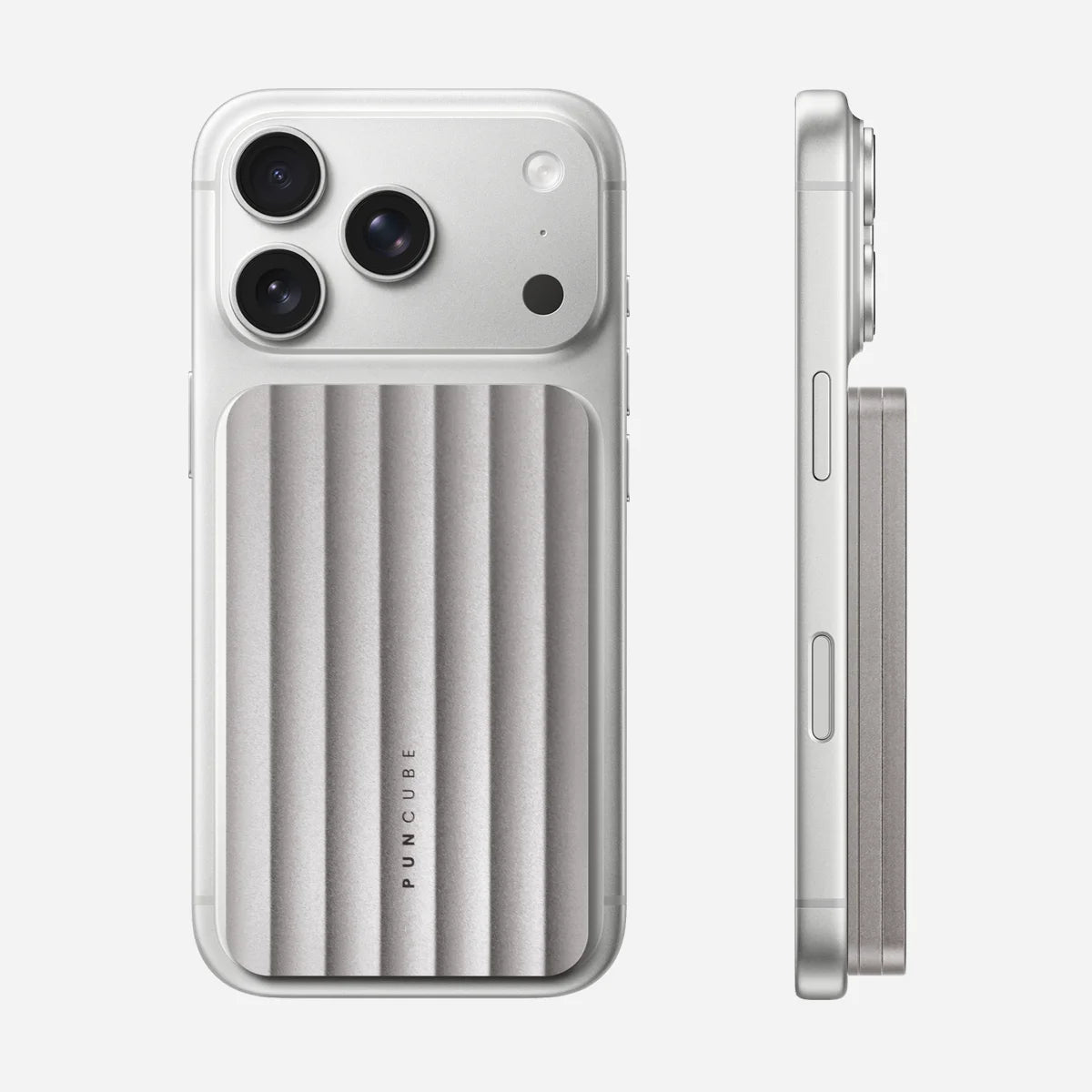
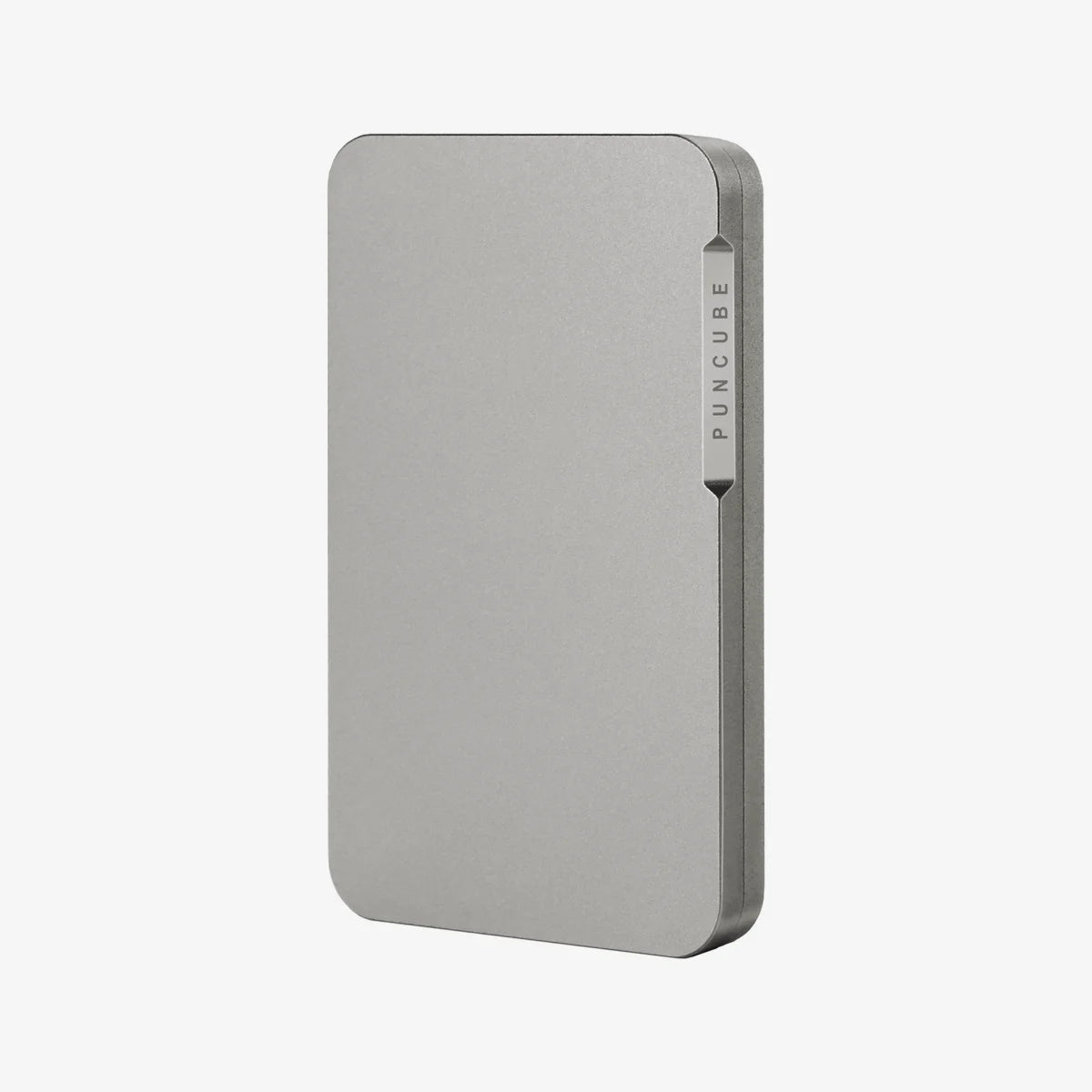
The CNC-machined metal body also gives the vibration a solid enclosure. PunCube lists the aluminum model as 6063 aluminum, with a standalone weight of 53 grams and a thickness of 8 millimeters before accessories. The compact body keeps the action close to the hand, so the click feels connected to the card reveal.
The current product page provides no controlled sound-pressure measurement. Wasteland can be described accurately as clicky and sound-forward. A precise decibel claim would require a stated microphone, distance, room, card load, and operating speed.
A fidget sound with a job to do
The most useful part of the Wasteland sound is where it appears. The click happens while you access your cards.
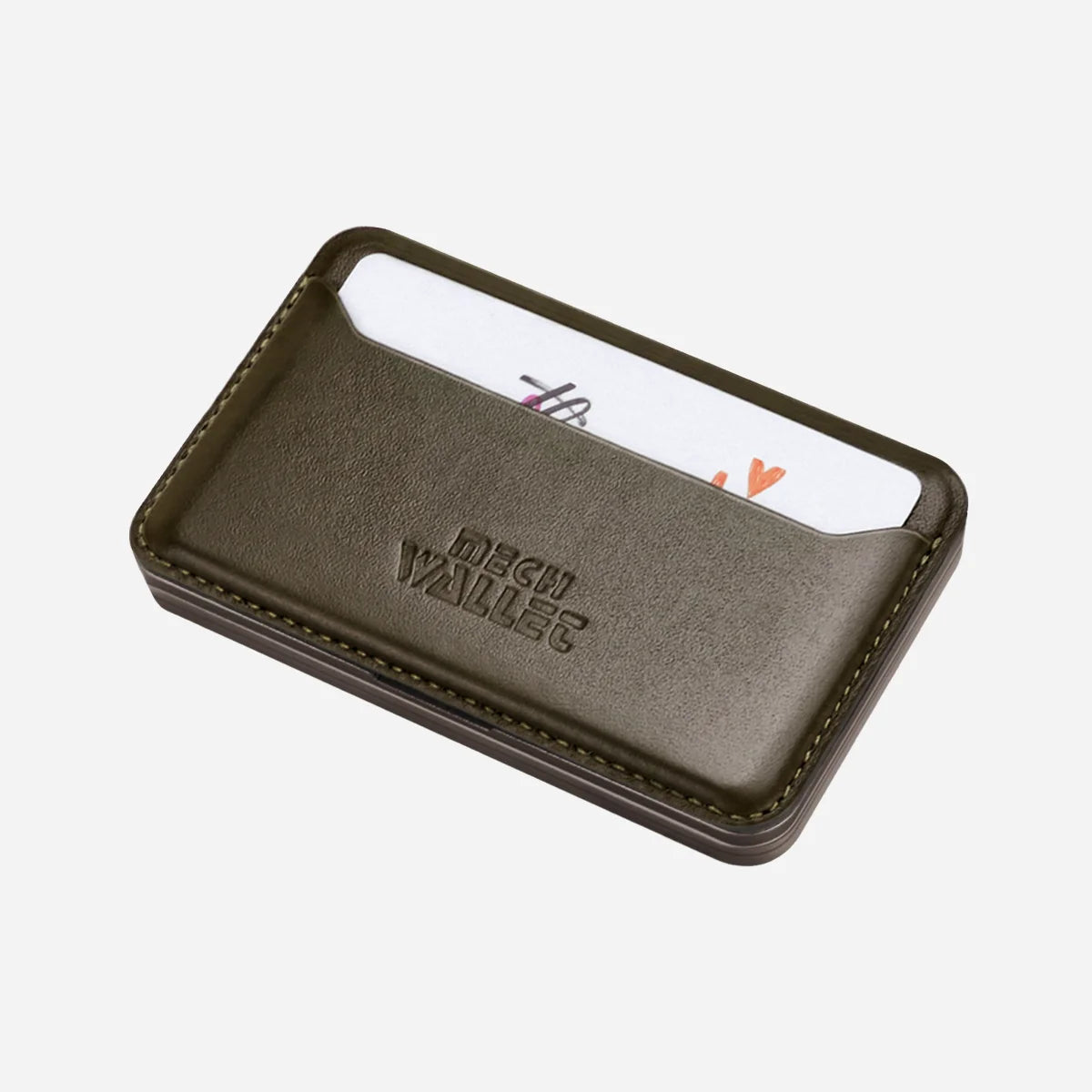
A separate spinner gives your fingers an independent action. Wasteland turns a normal wallet action into the fidget interaction. The movement still has a practical end. Up to six flat cards, or five embossed cards, move into a cascading position where you can select one.
That connection keeps the feature easy to understand. The mechanism is fun to operate because resistance, movement, and sound arrive together. You can enjoy the click and still finish the ordinary task of paying, showing an ID, or reaching an access card.
This article uses fidget to describe a repeatable tactile interaction. The click is a product experience. Claims about treating anxiety, improving ADHD, or increasing concentration fall outside that description and are not supported here.
Why the same click can feel different on video
People often meet Wasteland through a short video. The mechanism reads well on camera, though the apparent volume can change from one clip to another.
Microphone distance matters. A phone held close to the wallet will capture more mechanical detail than one placed across a room. Automatic gain can make a quiet recording sound louder, while noise reduction may remove part of the click. Headphones and phone speakers add another layer.
The room changes the result as well. Hard surfaces reflect high-frequency clicks. Fabric, carpet, and distance soften them. Card load and thumb speed may also change what a listener notices, although PunCube has not published controlled comparisons for those variables.
Use product videos to learn the character of the sound. Treat the volume as relative until you hear the wallet in your own surroundings.
Where Wasteland fits daily carry
Wasteland suits people who already enjoy mechanical feedback. Its click is easy to notice and becomes part of the way the wallet presents itself. That makes it a natural fit for mechanical EDC collections, desk setups, and owners who enjoy the response of physical controls.
Quiet rooms deserve more thought. Repeated clicking can draw attention during a meeting, in a classroom, or beside someone who is sensitive to repetitive sounds. Wasteland keeps the click every time the ratchet moves, so the sound should be part of the buying decision.
PunCube offers two other drive styles on the same Mech Wallet platform. Horizon is Smooth and uses a clean sliding feel. Ripple is Quiet and gives subtle magnetic feedback. Our Wasteland, Horizon, and Ripple comparison explains how those choices fit different carry settings.
|
Drive style |
Main feedback |
Choose it when |
|---|---|---|
|
Wasteland |
Crisp mechanical steps and an audible click |
The sound is part of what you want |
|
Horizon |
Smooth, continuous sliding feel |
Fluid movement matters more than a ratchet response |
|
Ripple |
Quiet, subtle magnetic feel |
Restrained sound suits your daily setting |
Wasteland is the sound-led option in this group. Horizon keeps the interaction smooth. Ripple lowers the acoustic presence and moves the tactile character toward magnetic feedback.
The click also gives PunCube a recognizable signal
Many wallet features are difficult to hear. RFID blocking, card capacity, and pocket size need words or measurements. Wasteland communicates part of its identity in a few seconds.
Push. Click. Cards appear.
That short sequence works because the sound and useful action stay together. A viewer can hear the steps and see what they accomplish. Repeating the same real mechanism sound in product videos can help people connect that pattern with Wasteland, especially when the PunCube name and wallet are visible at the same time.
The sound still needs honest presentation. Clean original audio is more useful than exaggerated effects. A close microphone should be identified as close, and a comparison video should keep the distance, room, card load, and operating speed consistent across Wasteland, Horizon, and Ripple.
Frequently asked questions
What makes the PunCube Wasteland click?
Wasteland uses a mechanical ratchet drive. Moving it takes the mechanism through a sequence of engagement and release points, producing tactile steps and a crisp click while the cards come into reach.
Is the Wasteland sound electronic?
The click comes from physical movement in the mechanical drive. No speaker or recorded audio is involved.
Is every PunCube Mech Wallet clicky?
Wasteland is the Clicky version. Horizon uses a Smooth drive, while Ripple is the Quiet option with subtle magnetic feedback.
How loud is the PunCube Wasteland?
PunCube describes Wasteland as Clicky and bold. The current product page provides no decibel figure. Perceived volume will change with distance, room acoustics, recording equipment, and how the drive is operated.
How many cards does Wasteland hold?
The standalone Mech Wallet holds up to six flat cards or five embossed cards. Capacity can reach nine cards with the Bifold Module.
Hear the mechanism before choosing
Wasteland turns one-handed card access into a sequence you can feel and hear. The ratchet divides the push into crisp steps, and the metal body carries those small releases as its recognizable click.
Explore the PunCube Mech Wallet, listen to the original drive audio, and choose Wasteland when that pinball-like response belongs in your everyday carry.

Leave a comment
This site is protected by hCaptcha and the hCaptcha Privacy Policy and Terms of Service apply.